



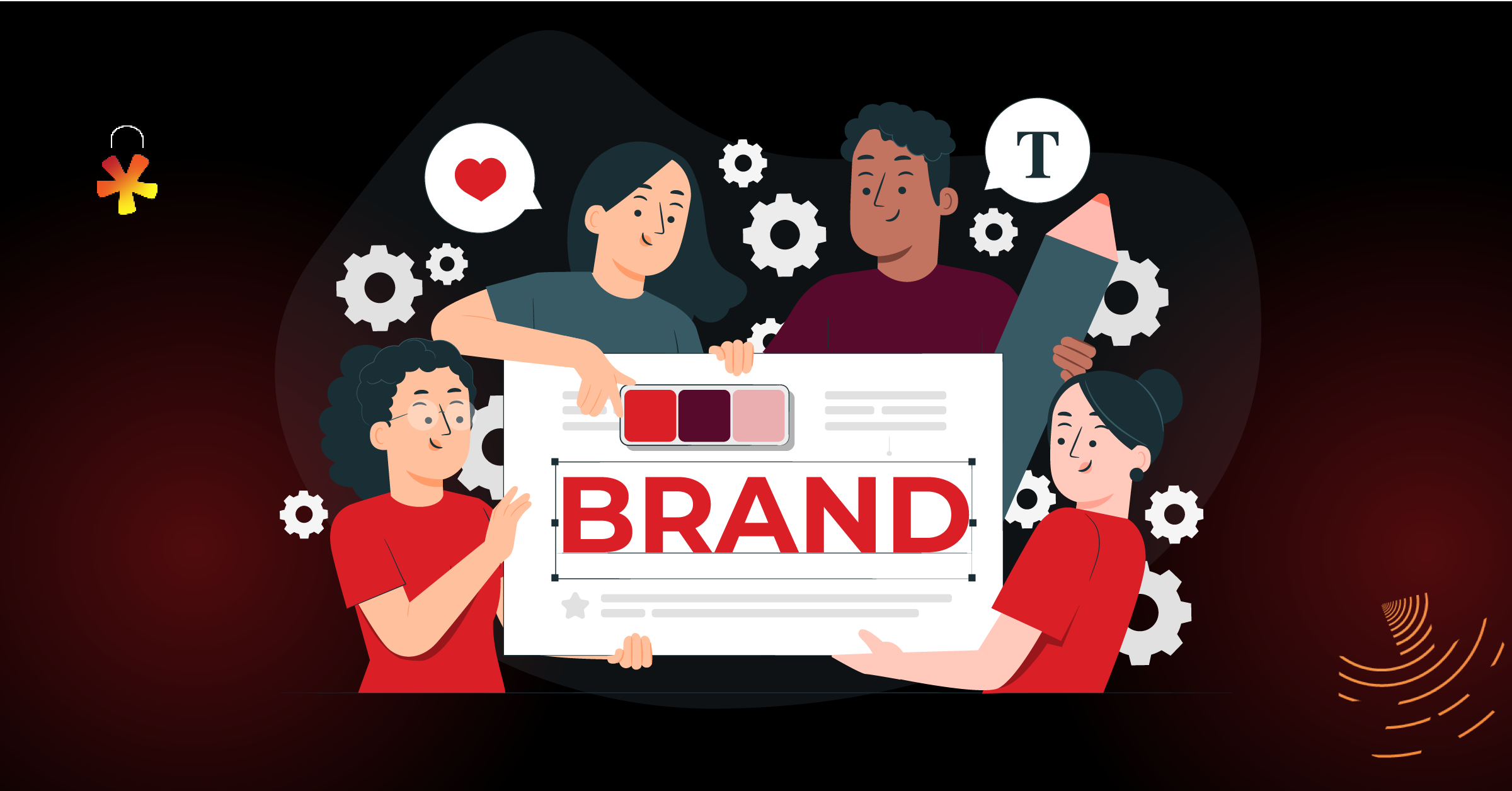

What Is Brand Identity and Why It Matters?
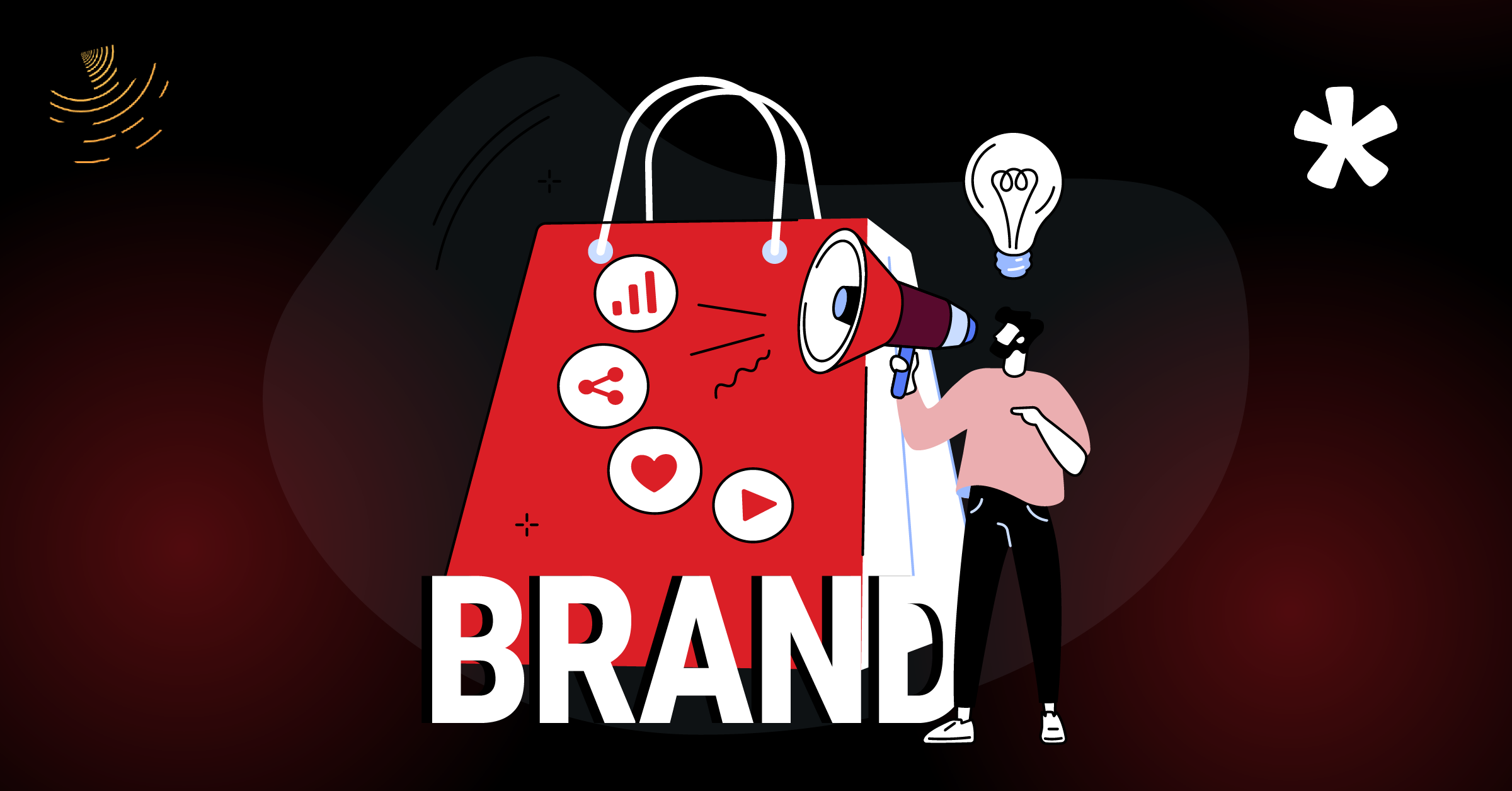
The brand identity encompasses the visual, verbal, and emotional attributes that define a company and distinguish it from competitors. This includes elements like logos, color schemes, typography, messaging, icons and overall design style. Effectively, brand identity is the outward expression of a brand’s values, mission, and personality, shaping how the public perceives the business.
Brand Identity: What It Is and How To Build One
Importance in Business Growth and Differentiation
A robust brand identity is crucial for several reasons:
- Differentiation: In saturated markets, a distinctive brand identity helps a company stand out, communicating its unique value proposition to consumers.
- Customer Loyalty: Consistent and authentic brand presentation fosters trust and emotional connections with customers, leading to increased loyalty and repeat business.
- Financial Performance: Companies with strong brand identities often experience better financial outcomes. For instance, businesses that prioritize brand identity can see revenue growth twice as fast as those with weaker brands.
How Brand Identity Impacts Customer Perception
Customer perception is significantly influenced by brand identity:
- First Impressions: Visual elements like logos and color schemes create immediate impressions. Notably, 55% of brand first impressions are visual, highlighting the importance of cohesive and appealing design.
- Trust and Credibility: A consistent brand identity across all platforms builds credibility. Studies show that 81% of consumers need to trust a brand to consider purchasing from it.
- Emotional Connection: Aligning brand values with those of the target audience can create strong emotional bonds, influencing purchasing decisions and fostering brand advocacy.
In summary, a well-crafted brand identity is not just about aesthetics; it’s a strategic asset that drives differentiation, builds customer loyalty, and enhances financial performance by positively shaping customer perceptions.
Ready to elevate how your audience perceives your brand? INKLUSIVE helps brands navigate the branding process to create compelling identities that leave lasting impressions and drive real growth through strategic visuals and storytelling.
Key Components of an Effective Brand Identity

Creating a strong brand identity requires strategic alignment of multiple visual and verbal components. Together, these elements form the foundation of how a brand communicates with its audience and positions itself in the market. According to Lucidpress, consistent brand presentation across all platforms can increase revenue by up to 23%.
- Logo Design: The logo is the centerpiece of any brand identity. A creative business logo design visually represents the brand’s mission, values, and personality. Whether minimalist or intricate, the best logos are scalable, memorable, and aligned with the company’s industry and audience. In fact, 75% of people recognize a brand by its logo first.
- Color Palette: Colors evoke specific emotions and influence consumer behavior. A consistent brand color palette enhances recognition and increases visibility. Research shows that color improves brand recognition by up to 80%. Creative logo designs often use color psychology to reflect brand attributes blue for trust, red for energy, green for growth, etc.
- Typography: Typography impacts readability and tone. Serif fonts may convey tradition and reliability, while sans-serif fonts project modernity. Consistent font usage across digital and print assets contributes to branding development services and ensures brand identity design services feel cohesive.
- Brand Voice and Messaging: The verbal identity of a brand—its tone, language style, and messaging is equally important. Whether professional, playful, or empathetic, brand voice should reflect the company’s personality and be consistently applied across all content. A clear voice strengthens customer trust and complements visual identity.
- Visual Consistency: Across all platforms, from social media graphics to product packaging, maintaining a uniform look and feel is essential. Visual consistency supports logo & branding recall and reinforces trust with every interaction.
- Brand Design Consultation & Strategy: Working with a brand design consultation expert or creative agency ensures that all visual and verbal elements align strategically. Professional brand designing services not only execute visuals but also help define brand positioning for long-term growth.
How to Create Your Brand Identity from Scratch
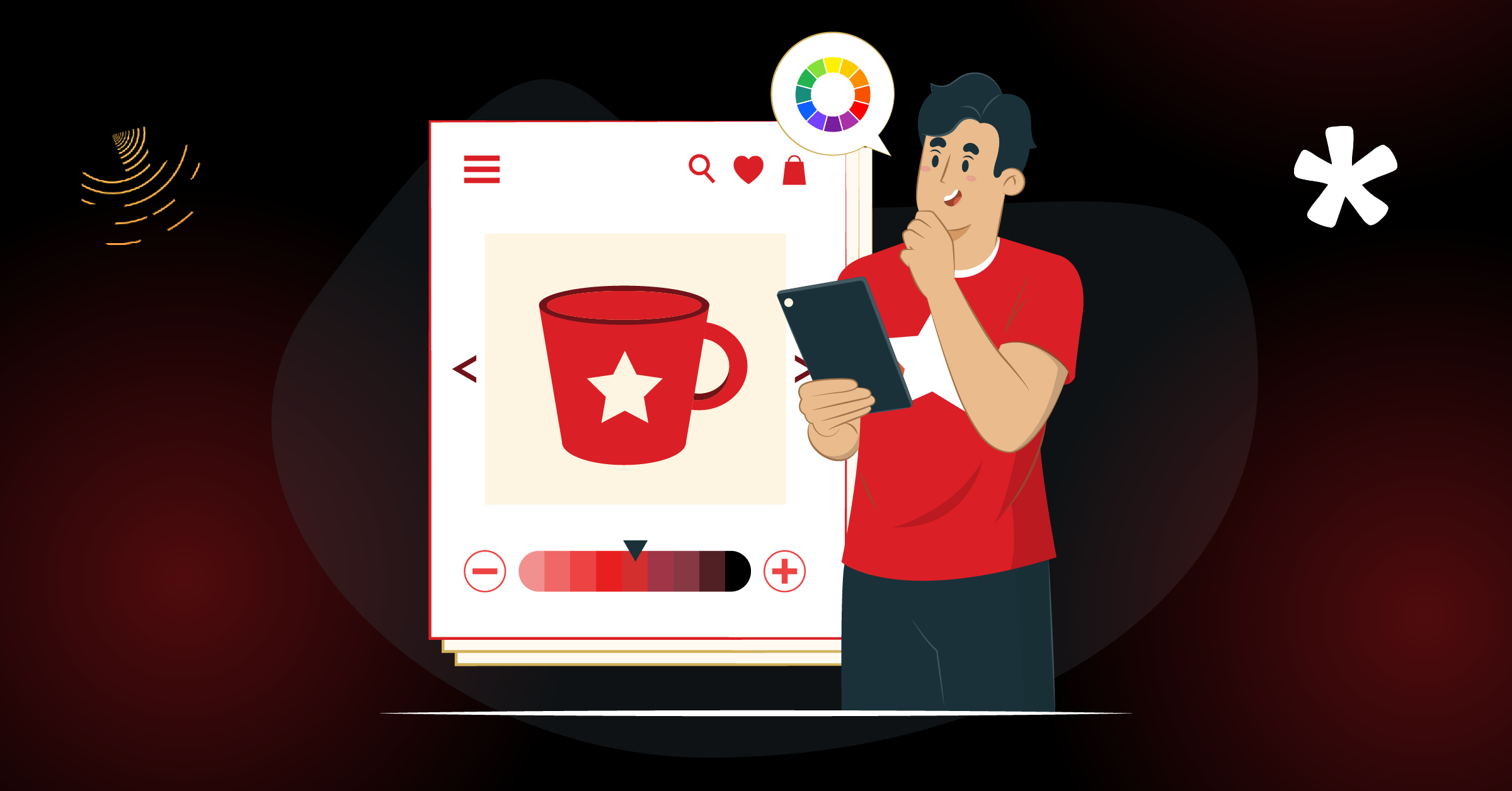
Building a compelling brand identity from scratch is a strategic process that blends market insights, storytelling, and visual creativity. In today’s digital-first environment, where consumer attention spans are shrinking and competition is increasing, establishing a strong brand identity is no longer optional—it’s a growth imperative. A 2024 Lucidpress (Marq) report found that consistent branding can increase revenue by up to 33%.
- Conducting Market and Audience Research: Effective brand design starts with understanding your market. Researching audience behavior, pain points, preferences, and cultural context allows businesses to craft messaging and visuals that emotionally resonate. Use platforms like Google Trends, Statista, and Think with Google for real-time consumer insights. When brand design services are based on data, they are more likely to convert.
- Defining Mission, Vision, and Values: Your mission, vision, and values form the foundation of your brand personality and messaging. These are not just internal documents they reflect how customers perceive your authenticity. A recent Salesforce survey revealed that 66% of customers expect brands to understand their needs and reflect their values. Defining these pillars early ensures alignment across logo & branding efforts.
- Collaborating with a Brand Design Service or Creative Agency: Working with a professional brand design consultation agency can save time and ensure professional execution. These experts provide strategic input and deliver branding assets—such as logo design, color palettes, and content systems tailored to your audience. A good creative agency ensures that brand visuals are scalable across platforms and aligned with your brand strategy.
- Developing Logo & Branding Elements: This is where your brand identity becomes tangible. Create a custom logo that’s versatile, memorable, and aligned with your brand’s values. Use a consistent color scheme and typography that reflect your voice. According to a 2024 Renderforest study, 77% of consumers say logos are the most recognizable brand identifier.
- Establishing Visual and Content Guidelines: Document your identity into brand guidelines. This ensures consistent usage of creative logo designs, colors, fonts, and voice across social media, websites, packaging, and advertising. These guidelines act as the backbone of your brand’s visual integrity and are vital for scaling.
Need expert guidance to bring your brand vision to life? INKLUSIVE offers end-to-end brand design consultation to align strategy with visuals that convert and scale.
The Role of Colors and Typography in Branding

Colors and typography are fundamental elements in brand identity design services, especially in creating effective marketing materials. They convey brand personality, trigger emotional responses, and influence how customers perceive a company. Research shows that color improves brand recognition by up to 80%.
Color Psychology and Its Effect on Emotion
Colors evoke specific emotions and behaviors. For example, blue suggests trust and professionalism—ideal for financial institutions while red conveys energy and urgency, often used in retail or food branding. Green signals growth and sustainability, popular with eco-conscious brands. Creative logo design integrates these principles to trigger desired consumer responses. Research indicates that color can increase brand recognition by up to 80%.
Font Styles and Brand Tone Alignment
Typography isn’t just about aesthetics it reflects the tone and voice of a brand. Serif fonts suggest tradition and reliability, making them suitable for law firms or editorial publications. Sans-serif fonts are modern and clean, and widely used by tech startups. Choosing the right font enhances readability and strengthens brand personality. As Google Fonts highlights, over 60% of the top 1 million websites rely on open-source web fonts for consistent branding.
Creative Logo Design Considerations
The logo design should balance font and color harmony to remain legible, memorable, and scalable. A well-crafted logo uses creative design logo principles like simplicity, adaptability, and visual alignment to convey a brand’s values at a glance. Brand design consultation often involves iterative logo refinement to match industry benchmarks and audience expectations.
Tips from Brand Identity Design Services
Top branding development services recommend testing color and font variations with real users before finalizing. They also emphasize accessibility, ensuring your branding design is effective across platforms and screen types. Creative company logo design must remain consistent across digital, print, and merchandise for maximum impact.
Fonts do more than look good—they shape how people feel about your brand. This video explores the psychology of fonts and how to use emotional typography to create impactful branding.
Psychological Impact of Brand Elements on Customers

Effective branding design goes beyond aesthetics it strategically taps into human psychology to influence perception, emotion, and behavior. Visual elements such as logos, colors, and layout play a key role in creating lasting impressions and emotional resonance. This is why branding development services place heavy emphasis on psychological principles when crafting brand identity design services.
How Visuals Trigger Emotional Responses
Visuals are processed by the brain 60,000 times faster than text, which means customers form instant opinions based on brand imagery. Elements like shapes, symmetry, and color combinations impact emotional states. For instance, rounded logo designs feel friendly and inclusive, while sharp edges convey innovation and precision. Creative business logo design often leverages such psychological cues to enhance engagement and recognition.
Building Brand Trust Through Design
In an era where consumers face hundreds of brand interactions daily, visual identity plays a critical role in trust-building. A 2023 report by Marq (formerly Lucidpress) reveals that consistent brand presentation across all platforms can increase revenue by up to 23%, while also reinforcing credibility and trust with consumers. Investing in polished visual elements like a professional logo design, structured typography, and a unified color palette across digital platforms sends clear signals of reliability. Brands that work with professional brand identity design services ensure that these elements align strategically to leave a lasting impression.
Role of Consistent Brand Visuals in Loyalty
Consistency fosters recognition, which in turn builds customer loyalty. A unified visual identity across all platforms website, social media, packaging makes your brand instantly memorable and trustworthy. Creative branding development services help ensure visual harmony through brand guidelines, branding packages templates, and rollout strategies. A consistent creative business logo design serves as a visual anchor, reinforcing brand memory and strengthening emotional connections over time.
Examples from Branding Development Services
Leading creative agencies and branding development services like Landor, Pentagram, and INKLUSIVE use psychological research to fine-tune visual elements. Their success with clients demonstrates how thoughtful brand design consultation can transform abstract values into tangible visuals that foster trust and loyalty.
Crafting a Compelling Brand Story Through Visuals
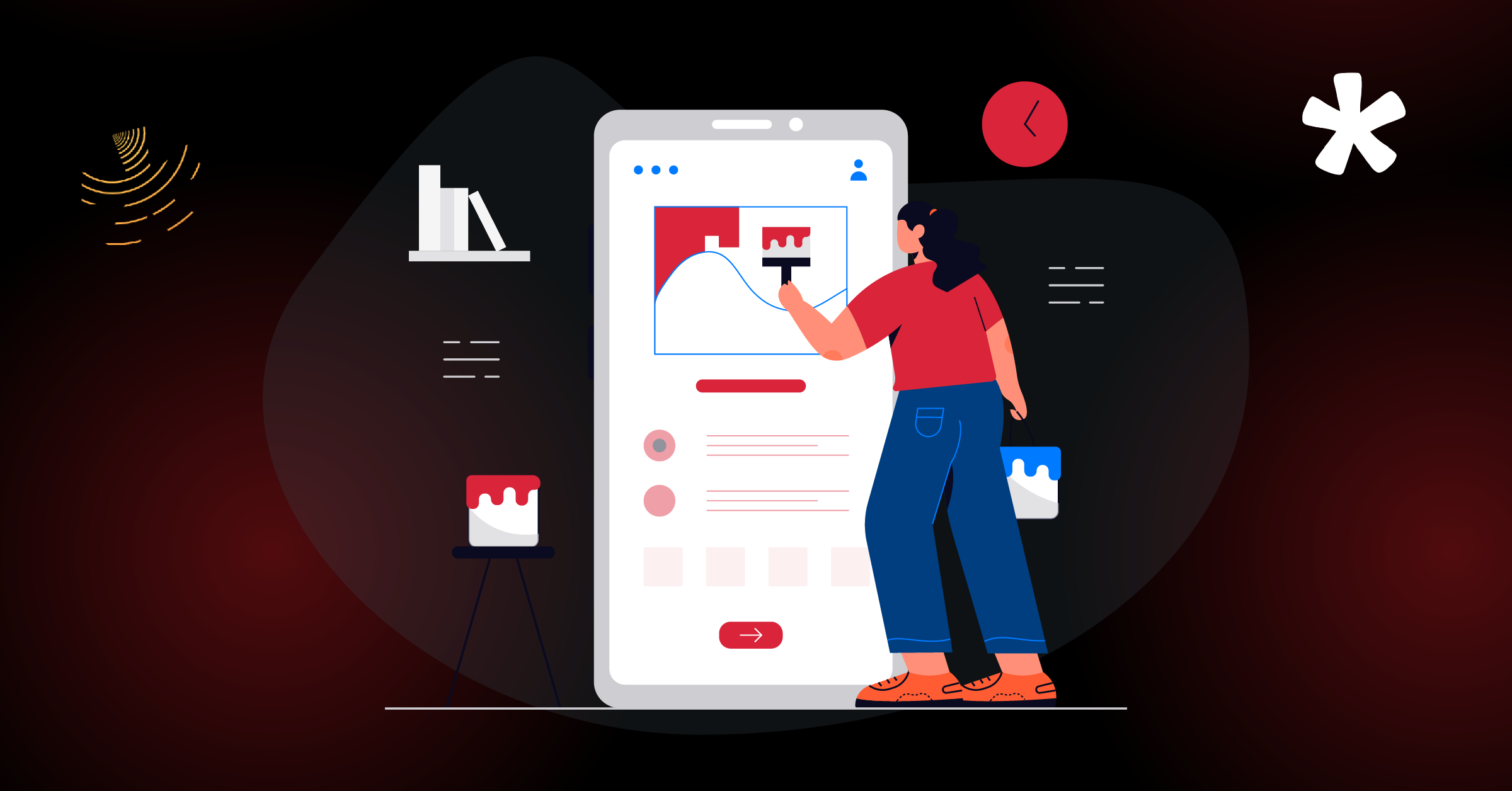
Visual storytelling plays a vital role in brand identity by translating abstract values into compelling visual narratives. From custom logo design to imagery, layout, and brand voice, every design element contributes to the brand story. Top branding development services understand that consistency in visual storytelling builds authenticity, drives emotional connection, and ultimately influences purchasing behavior.
Want your brand story to truly resonate? This video breaks down three key elements every unforgettable story needs—illustrated through Marvel’s Spider-Man—to help you craft a brand that people connect with and remember.
Visual Storytelling: Imagery, Graphics & Layout
Visual content communicates faster and more effectively than text, making it a powerful tool for storytelling. Strong imagery, intentional graphics, and cohesive layouts help convey brand values in a way words often can’t. During brand design consultation, creative agencies use techniques like mood boards and style scapes to ensure visual elements align with the brand’s narrative and personality.
Custom Logo Design Aligned with Narrative
A custom logo design serves as the anchor of the visual story. Whether it’s the swoosh of Nike symbolizing motion and determination or Apple’s bitten apple representing knowledge and innovation, logos are compact expressions of a brand’s identity. Effective logo design services ensure that the symbol reflects the brand heritage, values, and tone while being versatile across media.
Consistent Creative Design Logo Across Platforms
Maintaining visual consistency across all customer touchpoints is crucial for building a strong, recognizable brand. Brand identity design services prioritize this by ensuring that logos, colors, typography, and graphic styles remain uniform across platforms such as social media, websites, product packaging, email campaigns, and advertising. A creative design logo serves as a visual anchor that reinforces brand identity and builds credibility with the audience. When customers encounter the same logo styling and design elements consistently, they are more likely to develop a sense of familiarity and trust. This consistency not only strengthens brand recall but also differentiates the brand in competitive markets where users are bombarded with visual stimuli daily.
Creative agencies use brand style guides and templates to streamline this consistency. These guidelines define logo variations, spacing rules, do’s and don’ts, and application examples—ensuring that your brand looks polished and professional no matter where it appears.
Real-world examples from Top Branding Agencies
Airbnb’s 2014 rebrand by DesignStudio is one of the most iconic examples of strategic visual storytelling. The brand introduced the “Bélo” symbol, meant to represent people, places, love, and Airbnb’s core idea of “belonging.” The redesigned logo was supported by a refreshed color palette and typography that echoed warmth, openness, and community. This transformation elevated Airbnb’s identity from just a booking platform to a global lifestyle brand.
Similarly, Coca-Cola has maintained the essence of its original script logo for over a century, making slight design refinements while preserving its heritage and emotional appeal. Spotify has also evolved its branding by pairing a minimal logo with vibrant green and bold creative visuals that resonate with digital-native audiences, often collaborating with freelance logo designers to refine their approach.
These transformations demonstrate how creative logo design and consistent branding across platforms can amplify a company’s voice and drive emotional engagement.
Want your brand visuals to do more than just look good? Let our experts craft a design narrative that aligns perfectly with your business goals and brand personality. Visual storytelling starts with strategy—let’s build yours.
Case Studies: Iconic Brand Identity Transformations

Iconic brand transformations serve as benchmarks for businesses looking to refresh their visual identity. Global brands like Apple, Nike, Pepsi, and Airbnb have successfully redefined their branding design, showing how strategic evolution can drive relevance, emotional connection, and long-term growth. Their journeys highlight the importance of logo branding services, creative logo designs, and cohesive brand design consultation in shaping consumer perception.
Apple: From Rainbow to Minimalist
Apple’s brand transformation began with the transition from its colorful rainbow logo to a sleek monochrome version in 1998. The modern design reflected innovation, simplicity, and sophistication values central to Apple’s mission. This rebranding, supported by strategic brand identity design services, helped reinforce Apple’s position as a premium, forward-thinking tech company. According to Interbrand, Apple has been the world’s most valuable brand since 2013, with a valuation surpassing 574.5 billion U.S. dollars in 2025.
Nike: From Startup to Symbol of Empowerment
Nike’s swoosh, developed by a student designer for just $35 in the 1970s, has evolved into one of the most recognizable brand logos worldwide. The company’s branding development services have refined the design over time, removing clutter while enhancing emotional appeal. Nike’s “Just Do It” campaign combines visual storytelling with brand personality, making it a model for creative logo design aligned with values and culture.
Pepsi & Airbnb: Strategic Rebrands
Pepsi has repeatedly updated its logo to stay culturally relevant, investing in typography and motion design. Airbnb’s 2014 rebranding introduced the “Bélo” symbol, representing belonging. The change, led by a top design agency, increased brand awareness and customer loyalty. According to Fast Company, Airbnb’s rebrand helped boost bookings and global appeal.
Lessons for Startups
These transformations reveal that investing in brand designing services especially logo and branding design services, can yield significant business results. Startups can learn to define their core values, collaborate with brand design services, and commit to consistency to scale effectively.
Ever wondered why brands like Apple and Nike stick in your mind? This video explores the neuroscience behind branding and how these giants have literally branded your brain through emotional and psychological triggers.
Steps to Maintain Consistency in Brand Visuals

In today’s multi-channel digital landscape, visual consistency is more important than ever. With consumers engaging brands across websites, apps, social media, and packaging, a unified brand presentation reinforces recognition, trust, and professionalism. From your creative business logo design to typography, color schemes, and templates, every visual asset should reflect your brand’s personality and values cohesively.
Creating and Applying Brand Guidelines
Modern brand guidelines have evolved beyond static PDFs they’re now often built into collaborative platforms like Notion, Frontify, or Canva Brand Kits. These living documents define everything from logo usage and typography to visual tone and motion styles. Maintaining visual cohesion with well-documented rules ensures brand integrity even as your team scales or collaborates with external partners.
Using Templates for Logo, Fonts, and Colors
Templates are essential for scaling design consistency. Whether you’re creating Instagram stories, pitch decks, or email headers, reusable templates in tools like Adobe Express, Canva, and Figma ensure every asset follows your approved style. Many brand identity design services now offer custom template libraries, enabling non-designers to create on-brand content easily without diluting their identity.
Partnering with Branding Design Services for Rollout
Professional branding design services and creative agencies bring expertise in implementing cohesive design systems. From conducting brand audits to orchestrating multi-platform rollouts, they ensure consistency across web, print, mobile apps, and environmental design. Working with a top-tier agency also streamlines the process of updating assets across your customer journey.
Importance of a Creative Business Logo Design
Your logo is often the first visual customers remember make it count. Consistent logo usage (correct color, scale, and placement) is critical to maintaining brand equity. With consumer expectations at an all-time high, inconsistent visual branding can lead to confusion and reduced trust. A strong, creative design logo serves as the visual cornerstone of your brand identity.
In 2025, maintaining visual consistency is no longer just about design for profit-driven organizations—it’s a strategic brand experience that also applies to non-profit initiatives. It requires collaboration between creative teams, marketing tools, and professional brand designing services to ensure long-term impact.
Brand Identity vs. Brand Image vs. Brand Personality

Creating a successful and memorable brand goes beyond a great logo or catchy slogan, requiring the right team alignment. It requires alignment between three essential brand pillars: brand identity, brand image, and brand personality. Each plays a unique role in shaping customer perception and building lasting brand equity.
Definitions and Distinctions
- Brand Identity refers to the tangible and visual elements a business uses to communicate who it is—this includes logo design, typography, color palette, visual style, and messaging. It is purposefully crafted during brand design consultation and is the foundation of any branding development strategy.
- Brand Image is how the public perceives the brand, based on their experiences, marketing exposure, product usage, and social sentiment. It’s shaped organically and can either match or diverge from the intended identity.
- Brand Personality gives human characteristics to the brand, like being playful, luxurious, bold, or compassionate. It reflects the emotional tone and voice used across communications and helps audiences connect on a deeper level.
Real-World Examples
- Notion’s brand identity is sleek, minimal, and functional, aligned with productivity and simplicity. Its image in the productivity space is that of a powerful all-in-one tool trusted by individuals and teams. The personality it projects is intelligent, calm, and creative.
- Duolingo has a bold and colorful brand identity, featuring playful illustrations and humorous microcopy. The image consumers hold is that of a fun, addictive learning platform. Its brand personality is cheeky, approachable, and slightly rebellious seen in its social media strategy and mascot, Duo.
- Patagonia’s identity is earthy and bold, with rugged typefaces and nature-inspired visuals. Its brand image is synonymous with environmental activism and responsible outdoor living. The brand personality is honest, passionate, and purpose-driven.
- Zoom’s identity is clean and modern, designed to communicate clarity and ease of use. While its image post-pandemic remains functional and reliable, its personality is practical, neutral, and professional.
- Canva uses vibrant visuals and friendly typography. It’s seen as empowering and creative, perfect for non-designers. Its personality is friendly, optimistic, and inclusive.
Aligning All Three for a Cohesive Brand Experience
When brand identity, image, and personality are aligned, brands become more recognizable and emotionally resonant. For example:
- IKEA consistently applies its identity (bold blue/yellow visuals, clean fonts), matches it with its image (affordable design for all), and maintains a personality that’s cheerful, practical, and democratic.
- Headspace, a meditation app, uses soft, pastel visuals and soothing animations (identity) to reflect a calm, mindful lifestyle (image) with a warm, reassuring personality.
Brands often turn to logo and branding design services or full-service creative agencies to ensure these pillars work together. These experts perform brand audits, develop comprehensive style guides, and craft brand voices that support storytelling and trust.
In 2025, with multi-channel customer experiences becoming the norm, a fragmented brand presence can confuse or alienate audiences. Aligning identity, image, and personality ensures every touchpoint tells the same story, building familiarity, loyalty, and credibility.
Measuring the Success of a Brand Identity

Crafting a compelling brand identity is only the beginning its true value lies in measurable impact. Modern brand identity design services now integrate data-driven strategies to evaluate how branding influences consumer perception, behavior, and loyalty. Whether you’re a startup or scaling a business, measuring performance helps validate your creative branding investments.
Key Performance Indicators (KPIs)
- Brand Recognition: This involves measuring how well your brand is identified by your target audience. Surveys, unaided recall studies, and social listening tools are commonly used to gauge recognition of elements like your creative business logo design or core messaging.
- Engagement Metrics: Website visits, average session duration, social shares, interaction rates, and click-throughs provide insight into how effectively your branding elements—like visuals, tone, and layout—connect with audiences across platforms.
- Brand Loyalty: KPIs such as customer retention rate, repeat purchase frequency, and Net Promoter Score (NPS) are key indicators of emotional brand attachment and long-term loyalty driven by consistent brand visuals and messaging.
Tools Used by Brand Identity Design Services
Top branding development services use platforms like Google Analytics 4 for behavioral tracking, Brandwatch and Sprout Social for sentiment analysis, and heatmaps and A/B testing tools like Optimizely or VWO to test visual and messaging variations. These tools help assess how effective different creative logo designs or branding styles are in achieving business goals.
Real-World Insights
Rebranding isn’t just cosmetic when executed strategically; it leads to tangible growth. Following its identity redesign, Bolt saw a 47% uplift in user engagement by simplifying its visual assets and clarifying brand messaging. Similarly, Dropbox’s visual overhaul contributed to stronger brand differentiation in a saturated SaaS market, reaffirming the value of consistent design systems.
Why It Matters
Measuring the performance of your brand identity ensures ongoing relevance. In a fast-evolving digital landscape, branding isn’t a one-time exercise—it’s a living system. Regular evaluation allows logo and branding design services to iterate on visuals, refine storytelling, and stay aligned with consumer expectations, ensuring your brand continues to resonate and grow.
Conclusion
A strong brand identity is the foundation of how a business communicates, connects, and grows in the eyes of its audience. From crafting a custom logo design and choosing brand-aligned colors to defining tone, personality, and messaging, each step contributes to how customers recognize and trust your brand. When implemented consistently across platforms and measured strategically, brand identity becomes a powerful tool for differentiation, loyalty, and long-term success, highlighting the importance of details in the branding pro. By working with professional brand identity design services, businesses can ensure every element, from storytelling to execution, is aligned with their vision and values, ultimately driving greater engagement, visibility, and sustained growth.