


TL;DR
Choosing the right infographic design agency in 2025 means finding one that combines data storytelling, visual impact, and strategic thinking. This blog ranks the top 8 agencies, comparing services, pricing, use cases, design trends, and standout client results, highlighting the top trends —making it your one-stop guide for infographic success.
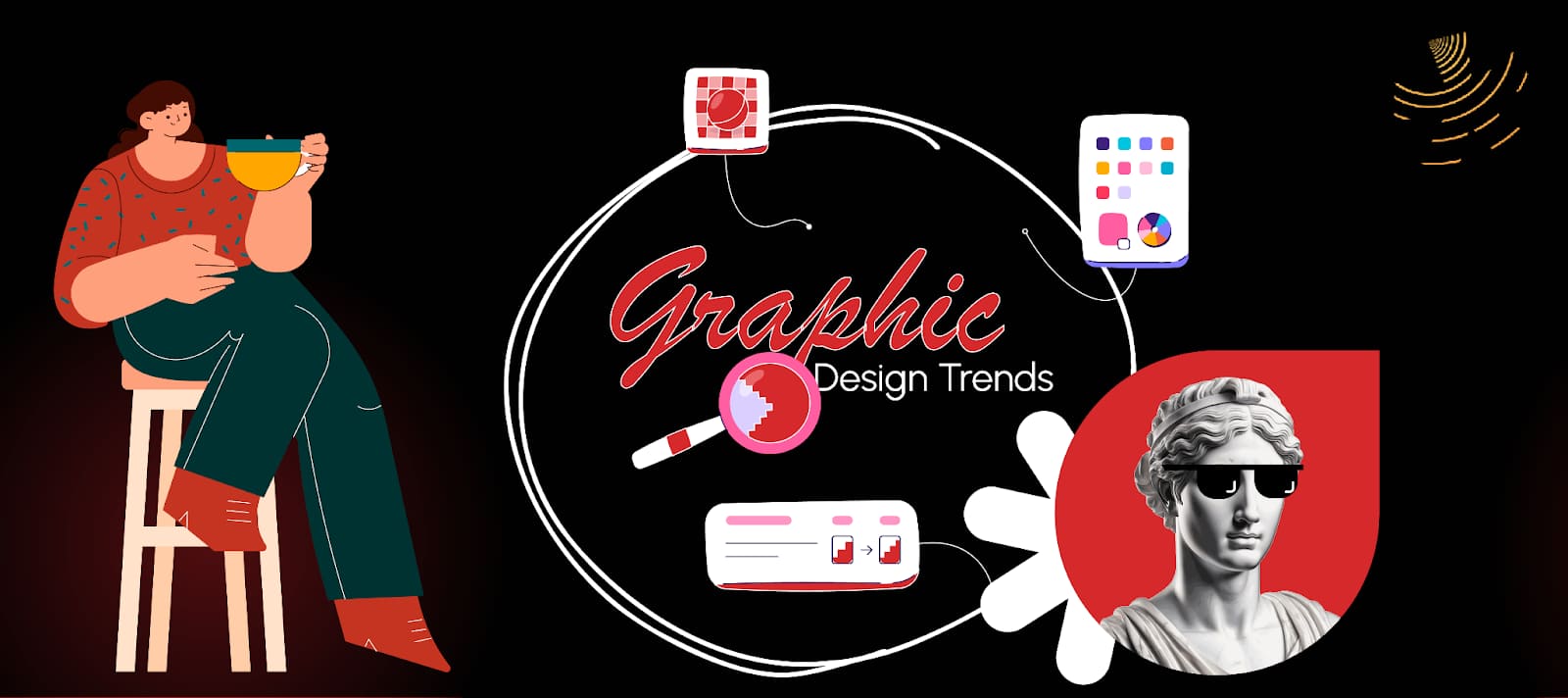
What’s next in the world of graphic design? Every year, new trends push the boundaries of creativity, offering fresh ways to engage audiences and convey messages. If you’re a graphic designer, staying updated with the latest trends is not just important—it’s essential to remain relevant in a fast-moving industry. As we move closer to 2025, several cutting-edge trends are emerging that blend AI technology with timeless design principles and modern elements, offering endless possibilities for innovation.
From bold, eye-catching typography to interactive, immersive design experiences, these trends reflect a shift towards authenticity, diversity, and the ever-growing role of artificial intelligence. Whether you’re a seasoned pro or a newcomer eager to make a mark, embracing these graphic design trends will help you stay ahead in a rapidly evolving creative world.
Let’s dive into the 20 graphic design trends to watch in 2025 that will shape the future of design!
20 Graphic Design Trends in 2025
1. AI-Powered Design Tools

Artificial Intelligence is transforming the creative industry, and in 2025, AI-powered design tools will become more integrated into daily workflows, with a heavy emphasis on enhancing creative processes. Adobe’s global survey reveals that 83% of creative professionals use generative AI, with 20% stating their employers or clients require its use in design.
These AI design tools use machine learning algorithms to help graphic designers automate repetitive tasks like resizing, color matching, and creating mockups, which significantly enhances productivity.
Real-Life Example: Many platforms allow graphic designers to automate design tasks and even create visuals from scratch based on simple text prompts. AI-powered design tools have already started to assist designers in everything from generating color palettes to crafting perfect typography, making the creative process more streamlined and efficient.
2. 3D Design
In 2025, 3D design is transforming corporate presentations, moving beyond traditional slides to immersive, interactive experiences. With the help of VFX, 360° renders, and dynamic visuals, brands are creating visually captivating content that engages audiences on a deeper level. This trend allows for storytelling in a way that feels more cinematic and memorable.
Real-Life Example: By integrating VFX and storytelling, INK PPT elevates presentations through isometric visuals, interactive 360° product renders, and dynamic animations. A standout project involved creating a 360-degree interactive view, isometric visuals, and a bombarded application video for Raychem, showcasing numerous creative ideas. Challenges like unclear briefs and evolving client feedback were addressed through continuous communication and multiple design iterations, resulting in a highly polished, impactful visual experience that exceeded expectations and set a new benchmark in 3D rendering for corporate storytelling.
Watch this YouTube video to learn how INKPPT is integrating the power of 3D to redesign the impact of visual storytelling of brands.
3. Geometric Shapes and Custom Designs

Geometric shapes are one of the timeless design elements that continue to dominate. Their simplicity and clean lines help create balanced, harmonious designs. Geometric shapes can evoke feelings of stability and order, making them ideal for creating sleek and professional designs.
Real-Life Example: Many large brands, like Adidas and YouTube, have successfully incorporated geometric shapes in their logos and branding. The simplicity and symmetry of these shapes make the logos memorable and easily identifiable. Expect more brands to embrace custom shapes that reflect their identity in 2025.
4. Vibrant Colors for Emotional Impact

Color is one of the most powerful tools in graphic design. The color palette you choose can evoke emotions, convey messages, and connect with your target audience on a subconscious level. In 2025, expect bold colors to make a significant impact in branding projects, from event posters to website designs.
Real-Life Example: Coachella’s 2025 event poster features bright, energetic colors that reflect the festival’s vibrant and youthful atmosphere. These vibrant colors are not just for attracting attention—they help set the tone and mood for the event, inviting users to engage with the brand’s message.
5. AI-Generated Imagery

As AI continues to make strides in creative industries, AI-generated imagery is becoming an increasingly popular trend. With AI platforms like DALL-E and MidJourney, graphic designers can now create stunning, custom visuals based on text prompts.
Real-Life Example: Many tech companies, including Microsoft and Adobe, are already experimenting with AI-generated imagery in their marketing campaigns and product designs. These images are unique and tailored to specific needs, making them perfect for creating custom visuals that align with a brand’s identity.
6. Playful Mix of Digital and Physical Design

In 2025, we will see an even greater playful mix of digital and physical designs. With the rise of augmented reality (AR), graphic designers now have the ability to merge digital assets with real-world elements, creating interactive and engaging experiences for users.
Real-Life Example: Furniture brands like IKEA have already incorporated AR technology in their apps, allowing customers to visualize how pieces of furniture will look in their own homes. This fusion of the physical and digital worlds creates a more engaging shopping experience.
7. Minimalist Maximalism

In 2025, expect to see the fusion of minimalism and maximalism in graphic design. While minimalist design emphasizes simplicity, minimalist maximalism creates designs that appear simple but have maximal impact.
Real-Life Example: Apple’s product packaging design is a prime example of minimalist maximalism. The sleek and simple packaging perfectly highlights the product’s elegance while using minimal elements to create a powerful brand message.
8. Authentic Representation in Visuals

Consumers today are looking for brands that reflect real and diverse images in their visuals. Authentic representation is a key trend in 2025, as brands aim to connect with their audience by showcasing real body types, cultural diversity, and inclusivity in their designs.
Real-Life Example: Dove’s ongoing campaigns, which focus on authentic representation of all body types and skin tones, have been a massive success. By incorporating authentic representation in their branding projects, Dove has built strong emotional connections with their audience.
9. Abstract Shapes for Creative Freedom

The use of abstract shapes is becoming a dominant trend in 2025 as designers push the boundaries of conventional design. Abstract shapes allow for creative freedom, enabling designers to explore new visual languages and connect with their audience on a more conceptual level.
Real-Life Example: The visual elements in Pentagram’s work often feature abstract shapes to convey innovative and progressive ideas. Their use of abstract design is a hallmark of their approach to modern branding and creative identity.
10. Augmented Reality and Interactive Elements

As augmented reality (AR) technology continues to evolve, designers are incorporating AR and interactive elements into their projects. In 2025, expect AR technology to become more integrated into everyday designs, from event posters to product packaging, enabling users to engage with designs in new, immersive ways.
Real-Life Example: L’Oreal’s use of AR technology in their mobile app allows customers to virtually try on makeup, creating an engaging, interactive experience that brings digital and physical design together seamlessly.
Want to stay ahead in graphic design? Watch this YouTube video to discover the 2025 graphic design trends you should know. Learn how to incorporate the latest trends into your work and elevate your design game!
11. Clean and Effective Typography

In the graphic design world, clean typography is essential for clarity and readability. In 2025, the trend will continue to focus on simple, legible fonts that enhance the user experience. Clean typography ensures that the message is communicated without distraction, allowing the content to shine through. Modern layouts work with modern gothic fonts, so brands can use that to their advantage.
Real-Life Example: Google’s updated brand guidelines feature clean typography, with sans-serif fonts that emphasize simplicity and readability, making their digital content accessible to a wider audience.
12. Repetitive Tasks Made Simple with AI Tools

AI-powered design tools are streamlining the creative process by automating repetitive tasks such as resizing, formatting, and color matching. These tools help designers work more efficiently by saving them time on tasks that don’t require creative input, allowing them to focus on the more conceptual aspects of their work.
Real-Life Example: Tools like Figma’s AI integration allow graphic designers to automate tedious tasks like aligning objects or adjusting padding, freeing up time for creative exploration.
13. Sideways Composition for a New Perspective

Sideways composition is a technique where elements are arranged in a horizontal layout rather than the typical vertical one. This new approach offers a fresh perspective and makes designs feel more dynamic and experimental.
Real-Life Example: Websites like Behance are increasingly experimenting with sideways composition in their design showcases, allowing users to interact with designs in a more engaging and immersive way.
14. Data Visualization Gets a Makeover

As data-driven content continues to rise, data visualization has become a key tool for communicating complex information in an easy-to-understand format. In 2025, expect to see more engaging infographics and dynamic data visualizations that help graphic designers tell compelling stories through numbers.
Real-Life Example: The data visualization used in The New York Times’ COVID-19 updates provided clear, visually engaging information that helped the public understand important health data quickly and easily.
15. Playful Doodles

Playful doodles are gaining popularity as a way to add a personal and creative touch to designs. These hand-drawn, whimsical elements add character to brand visuals and create an emotional connection with the audience. Doodles break away from conventional design rules, embracing spontaneity and individuality.
Real-Life Example: Brands like Coca-Cola and Instagram have recently incorporated playful doodles into their advertising and social media campaigns to reflect their fun, youthful brand identity.
16. Packaging Design with Eco-Friendly Materials

Sustainability is a growing concern for consumers, and brands are increasingly focusing on eco-friendly packaging design. Designers are tasked with creating packaging that not only looks attractive but also reflects the brand’s commitment to sustainability and practical applications.
Real-Life Example: Brands like Lush Cosmetics have been using eco-friendly materials in their packaging for years, aligning with their brand identity and commitment to sustainability.
17. Hand-Drawn Illustrations

Hand-drawn illustrations are making a significant comeback in 2025. These designs offer a personal touch and authenticity that cannot be replicated digitally, making them perfect for brands looking to add uniqueness, charm, and strengthen their brand assets.
Real-Life Example: A modern food startup might incorporate hand-drawn illustrations of their ingredients or packaging to make the product feel more artisanal and authentic.
18. The Rise of Custom Shapes in Branding

Custom shapes are becoming increasingly popular in branding projects as companies seek to create unique, recognizable visuals. By using custom shapes in logos and other design elements, brands can ensure their identity stands out from the crowd.
Real-Life Example: The FedEx logo uses a simple yet effective custom shape (the arrow in the negative space) to communicate speed and precision, making it one of the most memorable logos in the world.
19. Personalized Experiences with Digital Assets

In 2025, personalized experiences will become more prominent. By leveraging digital assets and interactive content, brands can engage users on a deeper level, fostering a deeper understanding of their preferences and behavior.
Real-Life Example: Spotify’s Wrapped campaign is a perfect example of how digital assets can be personalized, offering users a unique and engaging experience that connects them with their favorite music.
20. Clean Design with Plenty of White Space

White space remains one of the most powerful tools in graphic design. It allows for a clean, organized design, making it easier for users to navigate and interact with the content. In 2025, clean design with ample white space will continue to be a key trend.
Real-Life Example: Apple’s website uses white space effectively to create a sleek, minimal aesthetic that highlights the company’s products, ensuring that each design element gets the attention it deserves.
Unlock Seamless Design with The INKLUSIVE
Elevate your marketing efforts with The INKLUSIVE, an all-access, on-demand design subscription for enterprise teams. Use the edge of graphic design trends.
Ready to power up your marketing?
Get started todayHere’s what we offer:
- Quick Turnarounds: Get your designs fast, without compromising on quality.
- Comprehensive Services: From presentation design to website design, we’ve got you covered.
- No Extra Charges: Unlimited revisions with no additional fees.
- Scalable Solutions: Whether for a single campaign or ongoing projects, we deliver flexibility.
- Affordable Pricing: Start with the 5-Hour Starter Pack for only $199, perfect for small or one-time design needs.
The INKLUSIVE is ideal for businesses of all sizes, offering seamless design solutions for companies in any industry. Say goodbye to design bottlenecks and hello to fast, high-quality designs that keep your brand ahead of the curve.
Final Thoughts
The graphic design trends 2025 reflect a shift toward more innovative and personalized designs, driven by advances in technology and a growing demand for authenticity. AI-powered design tools, bold typography, geometric shapes, and interactive designs will define the landscape, helping designers create more engaging and effective visual communication.
Staying updated with these latest graphic design trends will ensure that your designs remain fresh, relevant, and impactful, enabling you to connect with audiences on a deeper level.
Contact usFAQs
1. What are the graphic design trends for 2025?
In 2025, graphic design trends like AI-powered design tools, bold typography, geometric shapes, and interactive designs using AR are expected to dominate the scene.
2. How do geometric shapes impact modern designs?
Geometric shapes provide consistency and balance in designs, making them a popular choice in branding projects and logo design.
3. What is AI-generated imagery, and how is it used in design?
AI-generated imagery allows designers to create visuals from text prompts, making content creation more efficient and personalized.