




Defining Creative Design and Its Importance
Creative design is the strategic fusion of aesthetics and functionality, aimed at effectively conveying messages and enhancing user experiences. It encompasses various disciplines, including graphic design services, user interface (UI) design, and branding, all tailored to create compelling visual narratives that resonate with target audiences.
Importance of Creative Design:
- Brand Identity: A consistent and well-executed creative design establishes a strong brand identity, making a company easily recognizable. Studies indicate that consistent brand presentation across all platforms can increase revenue.
- User Engagement: Thoughtful design significantly enhances user engagement. Notably, 94% of first impressions are design-related, highlighting the critical role of aesthetics in capturing attention.
- Emotional Connection: Creative design taps into emotional design principles, fostering positive feelings and stronger connections with users. This approach enhances user satisfaction and loyalty.
- Competitive Edge: In a saturated market, unique and innovative design sets a brand apart. Research reveals that 56% of consumers prefer brands that showcase distinctive visuals, emphasizing the importance of originality.
- Conversion Optimization: Effective design directly influences conversion rates. For instance, integrating product videos—a facet of creative design—can increase purchases by 144%.
Effective creative projects and design aren’t just about visuals—it’s about results. Whether you’re looking to enhance your brand identity, boost engagement, or increase conversions, a strategic design approach can transform your business impact.
Investing in creative design with experienced designers is not merely about aesthetics; it’s a strategic decision that drives brand recognition, user engagement, emotional bonds, market differentiation, and ultimately, business growth.
Differences Between Design and Art
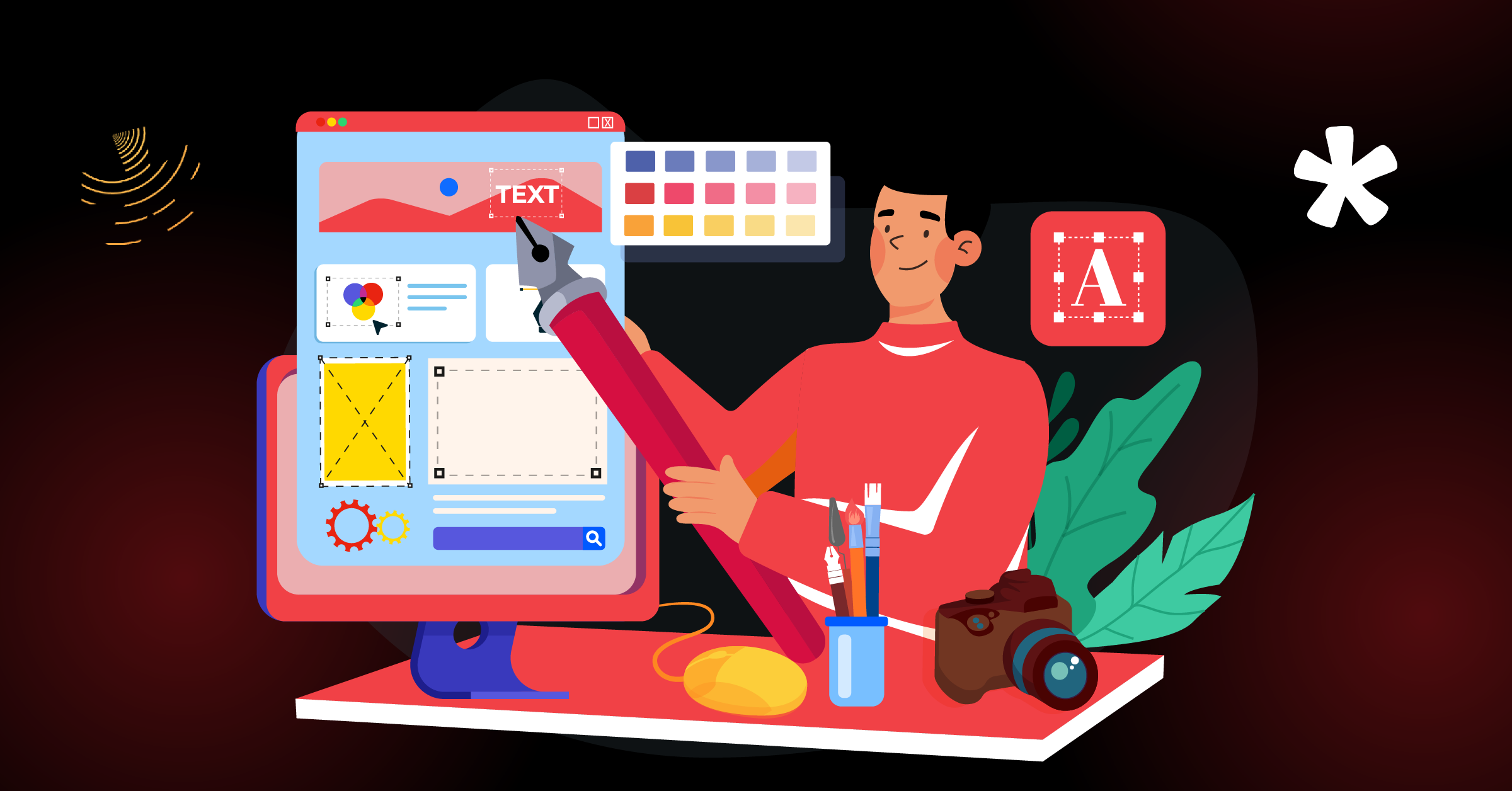
Though often used interchangeably, design and art serve distinct purposes. While art is driven by self-expression and emotion, design is functional and problem-solving in nature. The key distinction lies in intent—design serves a specific goal, while art is open-ended and interpretative.
Key Differences Between Design and Art
| Aspect | Design | Art |
| Purpose | Solves a problem or conveys a message | Expresses emotion or an idea |
| Functionality | Practical and goal-oriented | Open to interpretation |
| Constraints | Follows guidelines and usability | No rules, freeform creation |
| Audience | Created for a target audience | Personal or broad appeal |
Industrial Insights and Data
- Purpose-Driven vs. Expressive
- Design is results-oriented. Research shows that 73% of businesses invest in design to differentiate themselves in competitive markets.
- Art, on the other hand, is subjective and driven by personal vision, often interpreted differently by each viewer.
- User-Centric vs. Creative Freedom
- UX/UI Design prioritizes usability and accessibility, directly influencing a website’s credibility. Studies indicate that 75% of users assess a company’s credibility based on its website design.
- Artistic Expression is unrestricted, with no obligation to adhere to usability or functionality standards. Unlike design, which follows principles like visual hierarchy to guide user interaction, art thrives on subjective interpretation and emotional depth.
- Market Application
- Design is used in branding, advertising, and digital experiences, impacting consumer decisions.
- Art exists in museums, galleries, and personal collections, often driven by cultural significance.
While both disciplines inspire creativity, design is a structured process with a clear purpose, whereas art is an open-ended form of expression. Businesses prioritize strategic design solutions to boost brand identity, user engagement, and conversions.
The Evolution of Creative Design in Digital Space
The digital age has profoundly reshaped the landscape of creative design resources , introducing innovations that enhance user experience and engagement. Key developments include:
1. Rise of UX/UI Design
User Experience (UX) and User Interface (UI) design have become central to creating user-centered digital products. Intentional and strategic UX design can raise conversion rates by as much as 400%. This underscores the importance of prioritizing user needs and behaviors in design processes.
2. Motion Graphics and Interactivity
Integrating motion graphics and interactive elements has proven effective in capturing user attention and conveying complex information succinctly. Motion graphics can transform complex data into dynamic and appealing visuals, making information more accessible and engaging. This approach enhances user engagement and comprehension.
3. Artificial Intelligence and Automation
The integration of Artificial Intelligence (AI) into design agency workflows has markedly enhanced efficiency and creativity. Notably, 83% of creative professionals have incorporated generative AI tools into their work, with 20% indicating that their employers or clients mandate such usage. For instance, Zaha Hadid Architects reported that AI technologies have doubled or tripled productivity in early-stage competition design and increased mid-stage design preparation productivity by 50%. These advancements underscore AI’s role in streamlining processes and fostering innovative design solutions.
Artificial Intelligence is reshaping design, raising questions about ethics, usage, and job security. As a brand identity designer, I explore AI’s impact on creativity and its future in design.
Watch the video:
4. Embrace of Minimalism
Minimalist design in print, emphasizing simplicity and functionality, has gained prominence for its clarity and impact. Companies like Apple and Google have embraced minimalist principles, creating user-friendly and visually pleasing experiences that resonate with millions of users worldwide. This trend reflects a broader preference for clean and straightforward aesthetics in digital interfaces.
5. Personalization of User Experiences
Tailoring designs to individual user preferences has become a standard expectation. Research indicates that 71% of consumers expect companies to deliver personalized interactions, and 76% become frustrated when this does not occur. Effective personalization enhances user satisfaction and fosters brand loyalty.
From static visuals to dynamic, personalized digital experiences, creative design continues to evolve, driven by technological advancements and a deeper understanding of user behavior.
Key Principles That Make Designs Stand Out

Creating standout designs requires adherence to key principles that enhance user experience and engagement.
1. Simplicity: Streamlining designs by eliminating unnecessary elements reduces cognitive load, making interfaces more intuitive. Simplified designs can lead to improved user satisfaction and task completion rates.
2. Contrast: Utilizing differences in color, typography, and spacing directs user attention effectively. High contrast between text and background enhances readability, particularly for users with visual impairments.
3. Alignment: Consistent alignment of elements creates a structured and organized layout, enhancing the visual appeal and readability of content.
4. Proximity: Grouping related items together helps users quickly understand relationships between elements, facilitating faster information processing and a more intuitive interface.
5. Repetition: Consistent use of design elements reinforces brand identity and aids navigation. Maintaining consistency in branding can increase revenue by up to 23%.
6. Balance: Distributing visual weight evenly across a design creates harmony and stability. Balanced designs are more aesthetically pleasing and can improve user engagement.
7. Typography: Selecting readable and expressive fonts is crucial for effective communication. Studies have shown a 35% difference in reading speeds between the most and least legible fonts.
8. Color Theory: Colors evoke specific emotions and behaviors. For instance, blue often conveys trust and calmness, while red can evoke excitement or urgency.
Applying these principles thoughtfully ensures designs that are not only visually appealing but also functionally effective, enhancing user experience and achieving desired outcomes.
Why Businesses Invest in Creative Design

Investing in creative design is a strategic imperative for businesses aiming to enhance their market presence and drive growth. Effective design influences consumer perceptions, fosters trust, and differentiates brands in competitive landscapes.
Design Thinking is a five-step, human-centered approach to solving problems. It helps businesses innovate and create better user experiences.
Watch the video to learn more:
Stronger Brand Recognition: Consistent and well-executed design elements significantly boost brand recognition. Studies indicate that consistent branding across all channels can increase revenue by up to 20%. Moreover, color improves brand recognition by up to 80%, highlighting the importance of thoughtful design choices.
Higher Customer Trust: Professional and cohesive design builds credibility across a higher volume of clients . A survey revealed that 81% of consumers need to trust a brand to consider purchasing from it, underscoring the role of design in establishing trust.
Improved Marketing Performance: Engaging and visually appealing content enhances marketing outcomes. Notably, 86% of businesses utilize video as a marketing tool, reflecting the effectiveness of well-designed visual content in capturing audience attention.
Higher Conversions: Thoughtful design directly impacts conversion rates. For instance, companies that prioritize user experience design have seen conversion rates increase by up to 400%.
A well-crafted design strategy can be the difference between an average campaign and an unforgettable brand experience. Whether you need a standout pitch deck, engaging marketing visuals, or a complete brand transformation, we can help.
Competitive Advantage: Unique and innovative design sets businesses apart. Research suggests that 77% of consumers would buy from a brand they feel connected to over a competitor, emphasizing the importance of distinctive branding.
In essence, investing in creative design with a skilled team is not merely an expense but a strategic move that enhances brand recognition, builds customer trust, improves marketing performance, increases conversions, and provides a competitive edge in the market.
The Role of Design Psychology in User Engagement

Integrating psychological principles into creative design is essential for enhancing user engagement and crafting compelling visuals. Key psychological triggers include:
1. Color Psychology: Colors significantly influence human emotions and behaviors. For instance, the color green is associated with relaxation and can reduce anxiety, while red can increase heart rate and signal dominance. Designers leverage these associations to evoke desired emotional responses, thereby enhancing user engagement.
2. Gestalt Principles: These principles describe how humans naturally perceive visual elements as organized patterns or wholes, rather than as separate components. Applying Gestalt principles, such as proximity and similarity, helps designers create intuitive and cohesive layouts that facilitate user comprehension and interaction.
3. Cognitive Load: This refers to the mental effort required to process information. Simplifying designs by reducing unnecessary elements minimizes extraneous cognitive load, leading to improved usability and user satisfaction. High cognitive load can result in frustration and increased bounce rates, underscoring the importance of streamlined design.
4. Visual Storytelling: Narratives conveyed through visuals can significantly boost user engagement. Research indicates that visual content receives 94% more views than text-only content, highlighting the effectiveness of storytelling in capturing attention and conveying messages.
5. Emotional Triggers: Designs that evoke strong emotional responses can lead to increased user actions. For example, ads that elicit strong emotions have been shown to increase sales by 23%. Incorporating elements that resonate emotionally with users fosters deeper connections and encourages engagement.
By thoughtfully applying these psychological principles, designers can create visually appealing and functionally effective designs that resonate with users, leading to enhanced engagement and satisfaction.
Visual Hierarchy and Its Impact on User Perception

Visual hierarchy is a fundamental design principle that organizes content to guide users through information seamlessly, enhancing user experience and engagement. Key techniques include:
1. Size and Scale: Larger elements naturally draw more attention, signaling their importance. For instance, headlines are typically more prominent than body text, helping users quickly identify key messages.
2. Color and Contrast: Employing contrasting colors can highlight focal points and create emphasis. High contrast between text and background improves readability, ensuring users can easily consume content.
3. Typography Hierarchy: Varying font sizes, weights, and styles establishes a clear reading order. Bold headlines and subheadings guide users through content systematically, enhancing comprehension.
4. Spacing and Layout: Adequate white space, or negative space, prevents clutter and groups related items, improving readability and user navigation. Proper spacing creates a balanced and organized layout.
5. Directional Cues: Elements like arrows, lines, and images can direct user focus toward specific areas or calls to action, facilitating intuitive navigation.
Implementing these techniques thoughtfully ensures that designs are not only aesthetically pleasing but also functionally effective, leading to improved user engagement and satisfaction.
Balance, Contrast, and Harmony in Design

In design, achieving a compelling composition involves the strategic application of balance, contrast, and harmony. These principles work in concert to create visuals that are both aesthetically pleasing and functionally effective.
Balance refers to the distribution of visual elements within a design to create a sense of stability and equilibrium. There are three primary types:
- Symmetrical Balance: Elements are evenly distributed around a central axis, offering a formal and orderly appearance.
- Asymmetrical Balance: Different elements are arranged to achieve equilibrium without mirroring, resulting in a dynamic and interesting layout.
- Radial Balance: Elements radiate from a central point, guiding the viewer’s eye toward the center.
Implementing balance ensures that no single part of a design overpowers others, facilitating a cohesive visual experience.
Contrast involves juxtaposing differing elements to highlight their differences, thereby adding visual interest and directing attention. Effective use of contrast can be achieved through variations in:
- Color: Combining light and dark shades to create impact.
- Size: Placing large elements alongside smaller ones to establish a focal point.
- Typography: Mixing bold fonts with light typefaces to emphasize key messages.
Contrast not only enhances readability but also guides users to the most important parts of a design.
Harmony is the cohesive blending of elements to ensure they work together seamlessly. Achieving harmony can involve:
- Consistent Color Schemes: Utilizing a unified color palette to create a pleasing aesthetic.
- Complementary Typography: Pairing fonts that align well together to maintain readability and visual appeal.
- Unified Imagery: Ensuring that all visual components share a common style or theme.
Harmony brings a sense of order to a design, making it more digestible and engaging for the viewer.
By thoughtfully integrating balance, contrast, and harmony, designers can craft visuals that not only capture attention but also communicate messages effectively and provide a satisfying user experience.
Understanding Design Trends and Their Lifecycle

Design trends are dynamic, evolving in response to cultural shifts and technological advancements. Recognizing and adapting to these trends is crucial for designers aiming to create relevant and engaging visuals. Key trends shaping the design landscape include:
1. 3D and Immersive Design: The integration of three-dimensional elements adds depth and realism to user interfaces, enhancing user engagement. Advancements in graphics technology have paved the way for the widespread adoption of 3D visual elements in UI/UX design, providing more immersive and visually appealing user experiences.
2. Neumorphism: Blending skeuomorphism and flat design, neumorphism creates soft, subtle, and almost three-dimensional UI elements. This approach offers a visually pleasing and intuitive user experience by using shadows and highlights to simulate depth.
3. Minimalism: Emphasizing simplicity and functionality, minimalism focuses on clean, uncluttered layouts that enhance user experience. In 2024, this trend has evolved to include more intentional use of space, typography, and color, maintaining the core principle of simplicity.
4. Bold Typography: Utilizing large, expressive fonts captures attention and conveys messages powerfully. This trend reflects a shift towards more assertive and impactful textual presentations in design.
5. Abstract and Geometric Shapes: Incorporating unconventional shapes and patterns adds a modern and dynamic aesthetic to designs. This approach enhances visual interest and aligns with contemporary design sensibilities.
Design trends typically follow a lifecycle of inspiration: they emerge, gain popularity, peak, and eventually fade as new trends take their place. Staying informed about these trends and understanding their trajectories enables designers to create innovative and relevant work that resonates with current audiences.
Case Studies of Impactful Creative Designs

Case Studies of Impactful Creative Designs
Creative design plays a crucial role in shaping brand identity, user engagement, and overall business success. Below are some impactful case studies showcasing how design strategies have transformed brands and driven engagement.
1. Apple’s Branding: Simplicity and Consistency
Discover how Apple became a tech giant through innovation, strategic marketing, and brand loyalty. Watch the video below to explore key lessons from Apple’s journey.
Apple’s approach to creative design revolves around minimalism, clean typography, and intuitive user interfaces. The company’s “less is more” philosophy ensures that products, packaging, and marketing materials maintain a sleek and premium feel. Apple’s focus on user experience (UX) and design psychology has contributed to its brand value, which reached $574.5 billion in 2025, making it the world’s most valuable brand.
2. Spotify Wrapped: Personalization & Viral Marketing
Spotify Wrapped is a brilliant example of data-driven creative design. By visualizing users’ listening habits in a bold, engaging, and shareable format, Spotify increases customer engagement and brand loyalty. In 2022, Wrapped was responsible for a +60% increase in user-generated content related to Spotify on social media, leading to millions of new app downloads.
3. Airbnb’s Rebranding: Human-Centered Design
Airbnb rebranded in 2014 with the introduction of the “Bélo” logo, emphasizing belonging and community. Their website and app also underwent a UX overhaul, focusing on high-quality imagery, intuitive navigation, and trust-building design elements. This redesign helped Airbnb grow from 800,000 listings in 2014 to over 6.6 million by 2023, proving the power of effective branding.
4. Coca-Cola’s Timeless Design: The Power of Consistency
Coca-Cola’s brand identity has remained consistent for over a century, leveraging its iconic red and white color scheme, custom typography, and dynamic packaging design. The company’s ability to refresh its creative campaigns while maintaining brand consistency has helped it remain one of the most recognized global brands, with a brand value of $106 billion in 2023.
5. Nike’s Visual Storytelling: Emotion-Driven Design
Nike’s advertising campaigns, such as “Just Do It,” emphasize emotion-driven creative design. Their use of powerful imagery, bold typography, and authentic storytelling connects deeply with audiences. Nike’s design approach has contributed to its global revenue surpassing $51.4 billion in 2024, making it the leading sportswear brand worldwide.
6. Instagram’s UI Evolution: User-Friendly and Trend-Driven
Instagram’s transition from a skeuomorphic design to a flat, modern UI improved usability and visual appeal. The introduction of features like Stories, Reels, and interactive stickers has boosted engagement, making Instagram one of the most engaging social platforms with over two billion monthly active users worldwide as of early 2024, giving Facebook and YouTube some much-needed competition.
Top brands succeed because they invest in creative storytelling and compelling visuals. If you want to build a brand identity that resonates and drives engagement, it’s time to take action with expert-driven design solutions.
These case studies highlight how the creative process in design shapes brand perception, enhances engagement, and drives business success. Companies that invest in strong visual identities and user-centric designs gain a competitive edge in their industries. Whether through minimalism, personalization, or emotional storytelling, creative design continues to influence the way brands connect with audiences worldwide.
Conclusion
Creative design is more than just making things look good—it’s a powerful tool for communication, branding, and user engagement, providing easy access to impactful messages. By combining aesthetics with functionality, businesses can create meaningful connections with their audience and stand out in a competitive market.
Throughout this guide, we explored the principles that make designs effective, the role of psychology in user engagement, and the importance of visual hierarchy. We also discussed how businesses leverage creative design to build brand identity, enhance marketing efforts, and improve user experience. Additionally, we examined the evolution of design trends and their impact on modern digital spaces.
Whether it’s a startup crafting its first brand identity or an established company refining its visual strategy, investing in creative design is essential. A well-thought-out design approach not only enhances user experience but also strengthens brand perception and drives business success.
By understanding and applying design principles effectively in various projects, businesses and designers can create compelling visuals that leave a lasting impression.