




First impressions online are instant and brutal. If your website isn’t visually compelling, users bounce in seconds. That’s where creative web design steps in. More than just good looks, it’s the art of crafting digital experiences that combine storytelling, usability, and brand strategy.
From interactive layouts and immersive visuals to smart navigation and responsive design, creative websites don’t just attract attention they convert visitors into loyal customers. Whether you’re building a personal portfolio, an e-commerce platform, or a corporate site, your design speaks volumes about your brand.
In this complete guide, you’ll discover the core principles of creative web design, how it differs from development, what makes a layout effective, and why branding and UX go hand in hand. We’ll also share real examples, top agencies, and how to balance creativity with SEO performance in 2025.
Let’s build a website that doesn’t just work—but wows.
1. Principles of Creative Web Design
Understanding Creativity in Web Design
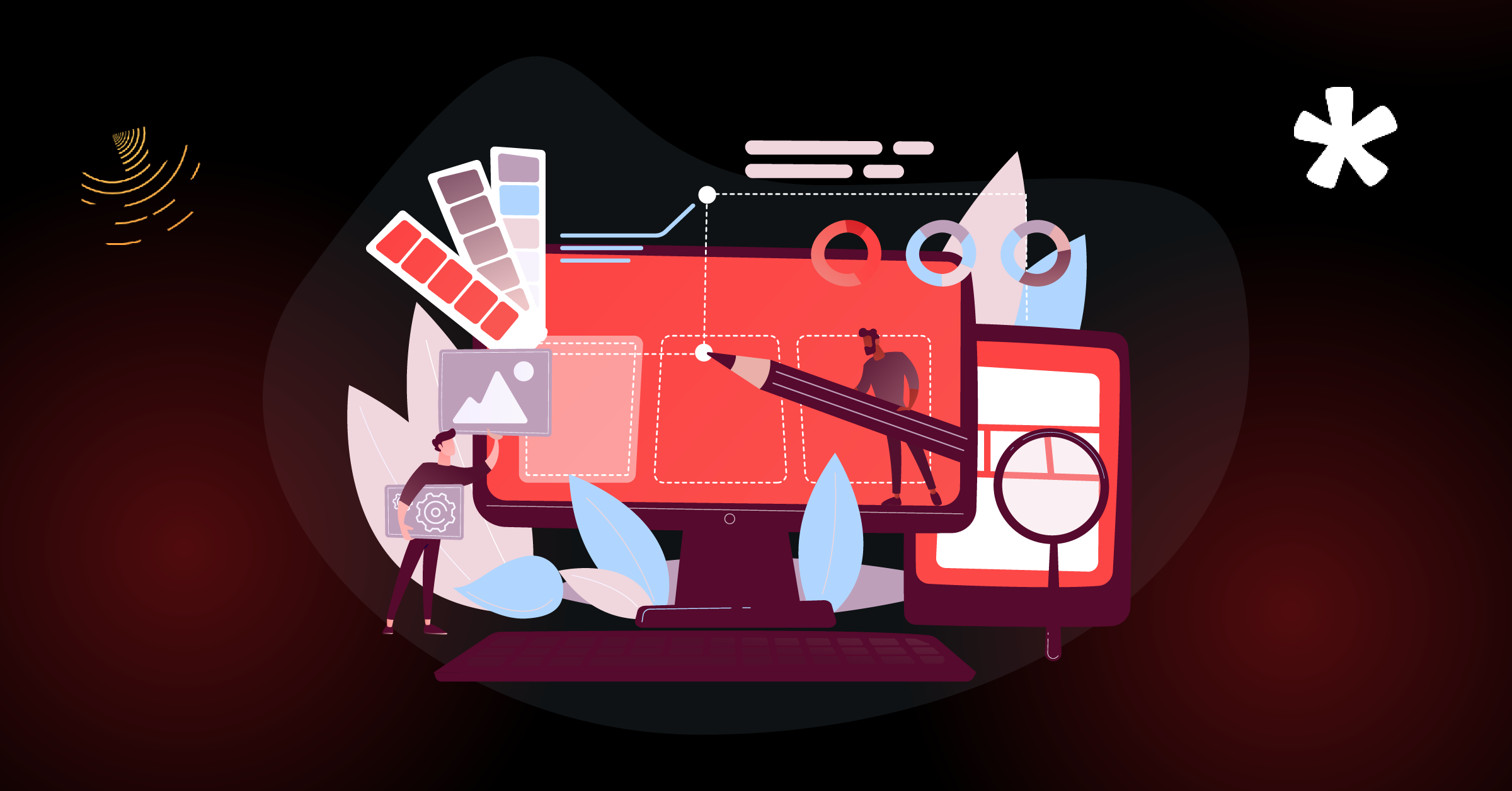
Creative web design goes beyond visual appeal—it merges aesthetic innovation with strategic functionality to craft immersive digital experiences. Unlike traditional layouts, creative web design is about storytelling, emotional engagement, and intuitive interaction. It’s the art of turning a brand’s message into a living, breathing interface that reflects identity and drives conversions.
A study by Adobe revealed that 38% of users stop engaging with a website if the layout is unattractive or difficult to navigate. This proves that creativity, when done right, plays a direct role in user retention.
Master the fundamentals of web design with this video on the 5 essential design principles, tailored specifically for websites.
Key Principles of Creative Web Design
- Simplicity
Simplicity enhances usability. While creative elements are vital, overdesign can confuse users. Clean layouts, readable fonts, and focused content help users achieve their goals faster. According to Google, websites that load within 2 seconds have lower bounce rates, reinforcing the need for simple and optimized design. - Visual Hierarchy
This principle ensures the most important elements (CTAs, headlines, navigation) catch attention first. Designers use contrast, color, size, and positioning to guide the user’s eye naturally. Tools like heatmaps (Hotjar, Crazy Egg) help test hierarchy effectiveness. - Consistency
A consistent design language—from typography and color palette to button shapes builds brand recognition and trust. Design systems like Google’s Material Design or Apple’s Human Interface Guidelines are great benchmarks. - User-Centricity
At the core of every creative web design idea lies the user. User-centric design involves understanding audience needs via UX research, A/B testing, and usability testing. This results in intuitive layouts that reduce friction and improve user journeys. - Storytelling
Creative web design uses motion graphics, copy, layout, and images to tell a brand story. Story-driven websites can boost brand engagement by as much as 22%.
Balancing Innovation with Usability
A great design balances creativity with function. Using dynamic content, parallax scrolling, or interactive elements can add flair, but they should enhance navigation, not disrupt it. A creative design company focuses on creating user journeys that are both engaging and effective, using data-driven design to optimize experience.
Examples of Principle-Based Design
- Mailchimp simplifies user tasks through a minimal UI and bold visuals.
- Stripe excels in visual hierarchy and motion design.
- Awwwards features curated inspiration from the best in creative web design.
These examples show how thoughtful design principles can elevate any brand’s digital presence.
2. The Difference Between Web Design and Web Development
Understanding Web Design vs. Web Development
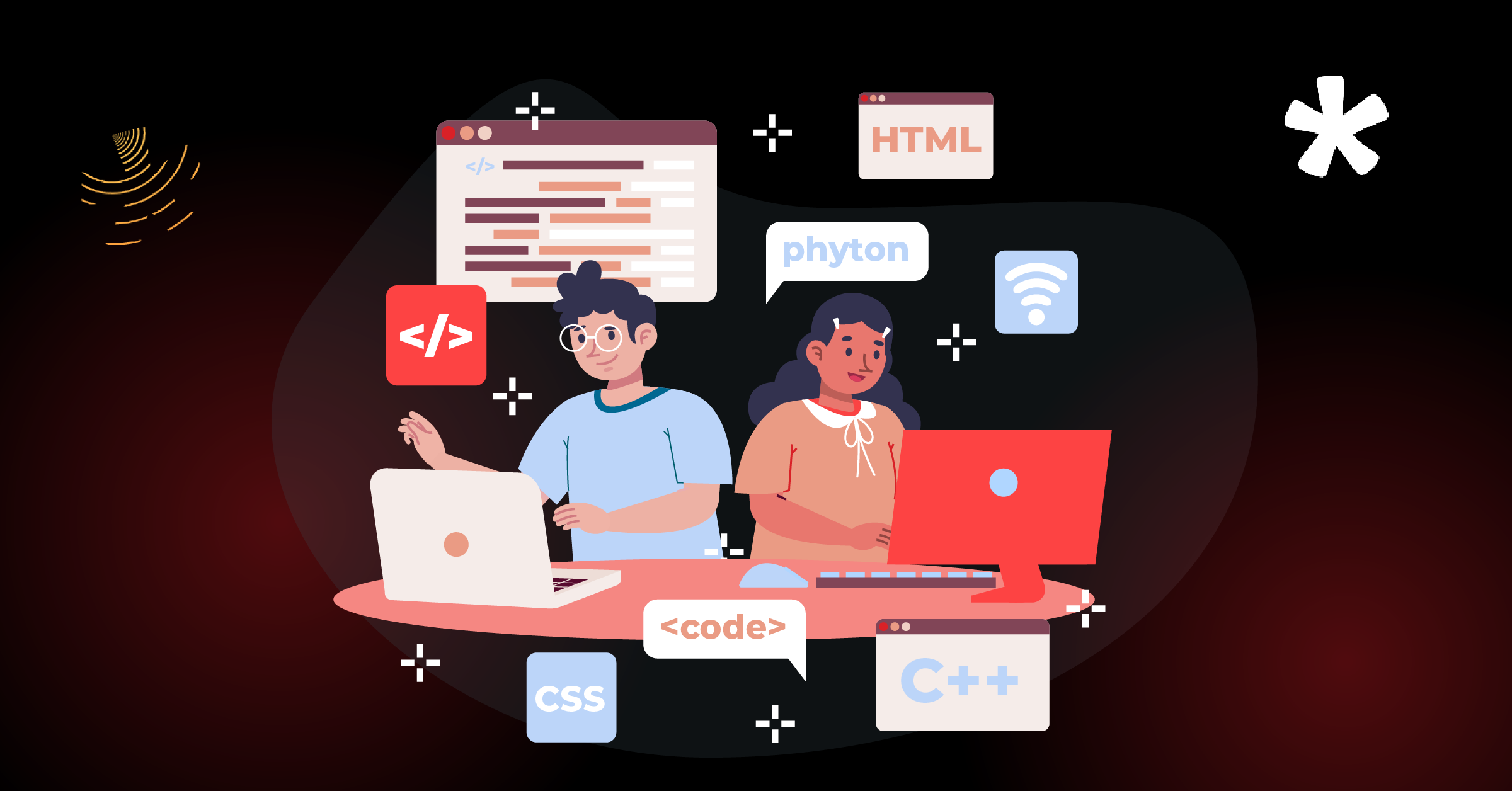
Although the terms often overlap, web design and web development are distinct yet complementary disciplines. Web design is focused on a website’s visual appeal and user experience. It involves layout design, color theory, typography, and branding alignment. On the other hand, web development translates those designs into functional websites using programming languages and frameworks.
Roles, Tools & Outcomes
| Aspect | Web Design | Web Development |
| Key Roles | UX/UI Designer, Visual Designer | Front-End Developer, Back-End Developer |
| Tools Used | Figma, Adobe XD, Sketch | HTML, CSS, JavaScript, React, PHP, CMS platforms |
| End Output | Prototypes, wireframes, design systems | Functional website, performance optimization |
Great design needs great development. INKLUSIVE bridges both worlds to deliver seamless, high-performance websites. Discover how our design + dev synergy helps businesses create intuitive, beautiful, and conversion-focused digital platforms.
Build with INKLUSIVECreative website development companies often have teams that include both designers and developers working collaboratively to ensure the end result is visually appealing, responsive, and user-centric.
Why Both Are Crucial to Creative Success
A well-designed site without proper development remains a static mockup. Conversely, a functional site without an engaging design can lead to poor user engagement. According to Business Dasher, 75% of users judge a business’s credibility based on web design. At the same time, Google’s research shows that a one-second delay in mobile page load can reduce conversions by up to 20%.
This makes it clear that hiring a creative web development company that integrates thoughtful design and efficient coding is essential for digital success.
A successful website is the product of synergy, where design inspires, and development delivers. Partnering with a full-service creative website development company ensures both aspects work in harmony for an exceptional digital experience.
3. How to Create a Visually Appealing Website Layout
Importance of Layout in First Impressions
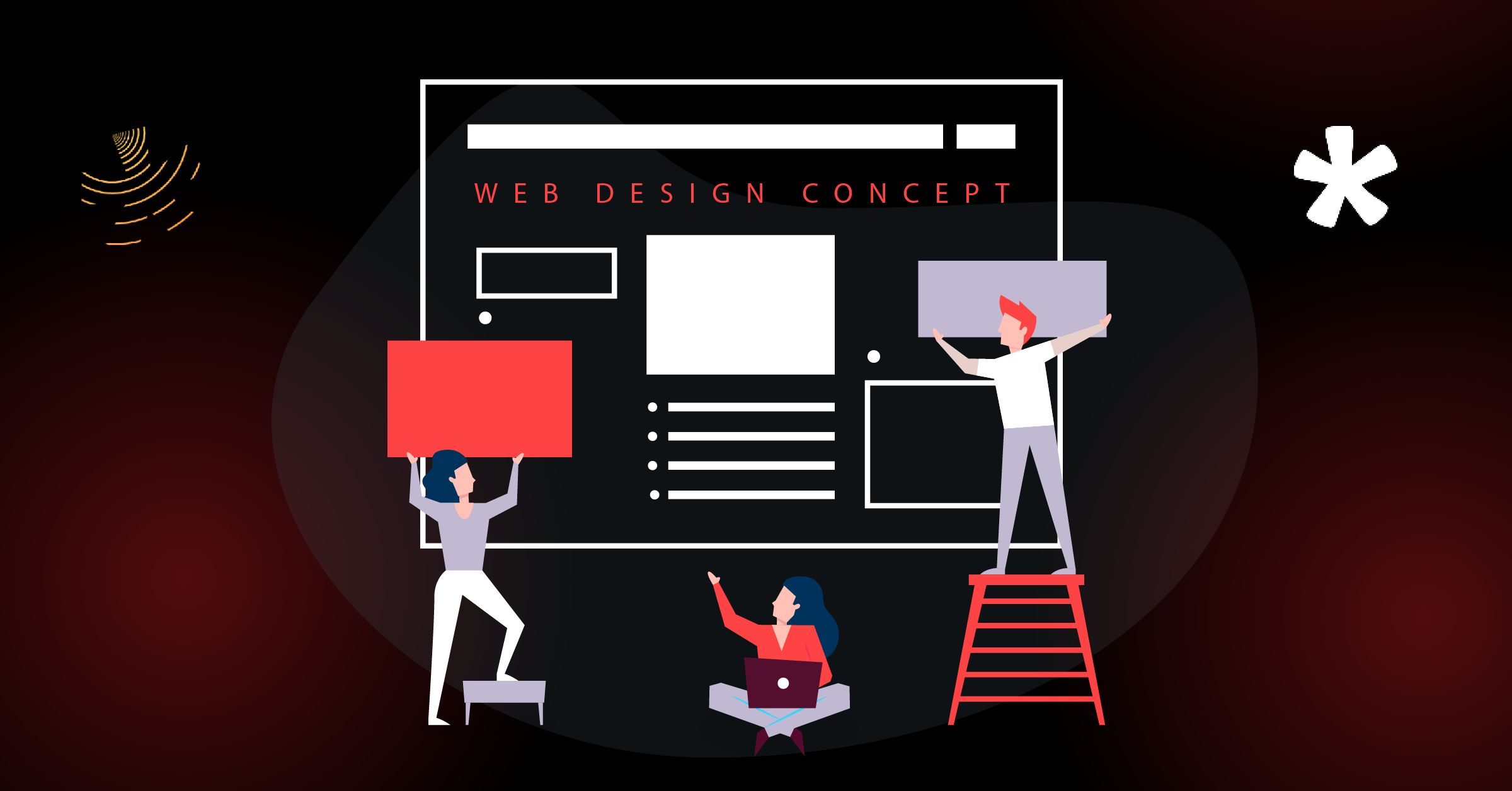
A website’s layout plays a critical role in shaping first impressions. According to a study by Google, users form an opinion about your website within 50 milliseconds. A well-structured, creative web page design instantly communicates professionalism, trustworthiness, and brand identity. Poor layout, on the other hand, increases bounce rates and reduces engagement.
Design Tips for Engaging Layouts
- Whitespace: Also known as negative space, whitespace improves readability and focus. Research shows that increasing whitespace around content boosts comprehension by up to 20%.
- Typography: Choosing the right font hierarchy creates visual clarity. Using a max of 2–3 typefaces with proper line height enhances accessibility and aesthetics.
- Color Psychology: Colors evoke emotions. For example, blue often represents trust, while red signifies urgency. Brands can use this to guide user action and perception.
- Grid Systems: Grids provide structure and balance, ensuring design consistency. Tools like the 12-column grid used in Bootstrap or CSS Flexbox and Grid Layouts are industry standards for scalable, responsive design.
How Creative Designers Craft Intuitive Layouts
Professionals at a creative site design agency approach layout by blending strategy with storytelling. They conduct user behavior analysis, define clear visual hierarchies, and use heatmaps (via tools like Hotjar) to track interactions. The result is a layout that guides users naturally toward CTAs (Calls-to-Action), reducing friction and boosting conversion rates.
Tools Used for Layout Design
Some of the most widely used tools for layout creation include:
- Figma – for wireframing and prototyping
- Adobe XD – for design and interaction
- Sketch – for Mac-based UI/UX projects
- Canva – for simple layout and branding templates
A strong creative website design integrates smart layout principles with a brand’s unique personality, resulting in a visually appealing and highly functional user experience. By focusing on user-first layouts, businesses can craft creative website designs that not only reflect their identity but also boost engagement and drive better digital outcomes.
4. Best Creative Website Designers & Agencies
Identifying the best creative web design agency involves more than eye-catching visuals. Top agencies merge strategy, branding, and usability into their design process. A leading creative website design company not only delivers visually stunning websites but also ensures they are functional, intuitive, and aligned with business goals.
Criteria to Identify the Best Creative Agencies
- Design Innovation: Embracing modern aesthetics, micro-interactions, and immersive layouts.
- User-Centric Approach: Designing around the end-user’s behavior and expectations.
- Cross-Platform Consistency: Responsive design across devices and screen sizes.
- Strategic Thinking: Use of data and branding insights to drive design decisions.
- Recognition & Impact: Industry awards and measurable outcomes for clients.
Top Creative Web Designers & Agencies
- The Inklusive – A forward-thinking creative web design agency, The Inklusive specializes in brand-first digital experiences that blend design, storytelling, and usability. From intuitive, creative web page design to scalable interfaces, the agency delivers bespoke solutions for startups and enterprises. Their strength lies in integrating branding, strategy, and layout into every web project.
- Clay Global – Renowned for sleek and functional UI/UX for enterprise clients. Their work emphasizes modern creative web design services with user testing and branding.
- Ramotion – A design-driven studio creating high-performance websites for companies like Netflix and Salesforce. Known for minimal, creative website designs.
- Locomotive – Award-winning Canadian studio known for bold animations, scroll effects, and immersive layouts that redefine creative site design.
- Beyond – Combines product strategy and creative execution. Known for solving complex UX challenges and delivering data-informed designs.
By partnering with a creative website design company like these, businesses can amplify their digital presence, foster trust, and convert visitors into loyal customers.
5. Creative Web Design Company Websites to Get Inspired By

When it comes to creative agency website design, real-world examples speak louder than theory. The most impactful websites today use bold visuals, intuitive layouts, interactive elements, and emotionally engaging content to tell a brand story. Whether you’re a startup or an enterprise, studying top creative website design agency portfolios can fuel your next web project with fresh ideas.
1. The Inklusive
The Inklusive brings a modern, brand-first approach to web design. Their website blends bold colors, clean typography, and smooth transitions, reflecting their design philosophy: creativity meets clarity. As a growing creative website design agency, The Inklusive prioritizes strategic branding alongside visual storytelling.
2. Burocratik
This Portugal-based creative agency website design is minimalist yet striking. High-contrast typography, cinematic transitions, and a horizontal scroll layout help tell their story in a unique, digestible way. Their site is a masterclass in balancing aesthetics and usability.
3. Active Theory
A digital production studio known for immersive storytelling and WebGL-powered experiences. Their homepage demonstrates an exceptional use of 3D visuals and motion design. It’s a prime example of how creative agencies can push the boundaries of web interactivity while maintaining brand clarity.
4. Hello Monday
With projects for brands like Google and Lego, Hello Monday delivers highly interactive, playful design with thoughtful UX. Their site integrates whimsical animations and user journeys that feel both functional and artistic.
5. ToyFight
A creative design studio known for quirky visuals and strong branding. Their site uses humor, interactive avatars, and a grid-breaking layout to offer a memorable first impression.
These websites represent how creative website design agencies use innovation in layout, storytelling, and motion to inspire and engage. For businesses, emulating these elements while maintaining originality can elevate brand perception and user experience.
Inspired by these cutting-edge designs? INKLUSIVE helps you apply those same creative strategies to your brand’s online presence—without losing originality or function. Let’s turn inspiration into action.
Launch Your Website Vision6. How Branding Influences Website Design
1. Relationship between brand identity and web design
Your website is the digital face of your brand. It must echo your core values, vision, and tone visually and functionally. A well-defined brand identity includes your logo, color palette, typography, imagery style, and tone of voice. These elements work together on your site to ensure brand recognition and consistency. According to Marq (formerly Lucidpress), consistent branding across all platforms can increase revenue by up to 33%.
See how a strong brand identity translates into a stunning custom website in this practical walkthrough video.
2. Consistency in brand colors, logos, tone, and message
A strong website reinforces your branding through every design choice. Color psychology, for instance, plays a vital role—blue conveys trust (used by PayPal and IBM), while red can evoke excitement or urgency (seen in brands like YouTube). Your creative logo design should appear clearly and consistently across all pages. Typography, messaging style, and brand voice must remain aligned to maintain familiarity and trust throughout the user journey.
3. Branding in visual hierarchy and UX
Branding also shapes the visual hierarchy, which is how users’ eyes move across your site. A premium branding and design services agency will use design techniques such as contrasting sizes, bold colors, and strategic positioning to guide visitors intuitively. For example, a modern tech brand might highlight innovation using bold headings, animations, and geometric layouts, while an eco-brand may focus on earthy colors and natural imagery.
7. Responsive Web Design: Best Practices for Mobile UX
1. Importance of responsive design for mobile-first audiences
With over 59% of global web traffic coming from mobile devices (Statista, 2024), responsive website design is no longer optional—it’s essential. A responsive site adapts seamlessly to all screen sizes, ensuring a consistent user experience on smartphones, tablets, and desktops. Google also prioritizes mobile-friendly websites in its rankings, making mobile responsiveness a key factor for SEO.
2. Key mobile UX tips (tap targets, loading speed, simplified navigation)
Effective creative web design services focus heavily on mobile usability. Here are the essential best practices:
- Tap targets should be large enough (at least 48×48 pixels) for easy interaction.
- Page loading speed should be under 3 seconds—53% of users abandon mobile sites that take longer.
- Use simplified navigation, such as hamburger menus or sticky headers, to allow smooth and intuitive browsing.
- Limit intrusive pop-ups and use lightweight media to reduce friction and data usage.
A creative web page that flows naturally on mobile builds user trust and encourages conversions.
Don’t lose mobile users to clunky design. Our mobile-first approach ensures your website performs flawlessly across devices—fast, functional, and visually stunning. Experience creative design that meets modern UX demands.
Optimize for Mobile Today3. Tools for testing responsiveness
To ensure optimal performance, designers rely on tools like:
- Google Mobile-Friendly Test: Checks if your site meets mobile usability standards. Test here
- BrowserStack and Responsinator: Simulate site appearance on different devices.
- PageSpeed Insights: Evaluates load speed and provides optimization tips.
8. The Future of Web Design: AI, AR & 3D Elements
1. How AI is influencing layout and personalization
Artificial Intelligence (AI) is transforming creative web design by enabling real-time personalization and smarter layout decisions. Tools like Adobe Sensei and Wix ADI use AI to suggest design structures based on user behavior and content preferences. AI-powered chatbots, dynamic product recommendations, and automated A/B testing help businesses deliver personalized experiences at scale, enhancing creative web design efficiency.
According to PwC, AI could contribute up to $15.7 trillion to the global economy by 2030, much of which will be driven by customer experience enhancements, including in web design.
Will AI replace creative professionals? In this video, Chris Do explores how creatives can adapt, scale, and thrive with AI, rather than fear it.
2. Examples of AR/VR in websites
Augmented Reality (AR) and Virtual Reality (VR) are pushing boundaries in future web design trends. Brands like IKEA and Warby Parker let users visualize furniture or eyewear in real spaces before purchasing. These immersive features reduce returns and boost customer confidence. WebAR tools such as 8thWall allow integration of AR into mobile web experiences, without needing an app.
3. Use of 3D elements for immersive experiences
The 3D design adds depth and realism to digital interfaces. Creative websites now use 3D product models, parallax scrolling, and WebGL animations to captivate users. For instance, Nike’s 3D product displays create interactive shopping journeys that increase engagement and time on-site.
4. Cautions & opportunities for creatives
While these technologies unlock massive potential, designers must balance visual complexity with performance. Heavy AR/3D assets can slow load times and affect mobile UX. Optimizing for speed and accessibility is essential to ensure functionality doesn’t compromise creativity.
9. Interactive Website Elements That Boost Engagement
1. Types of interactive elements
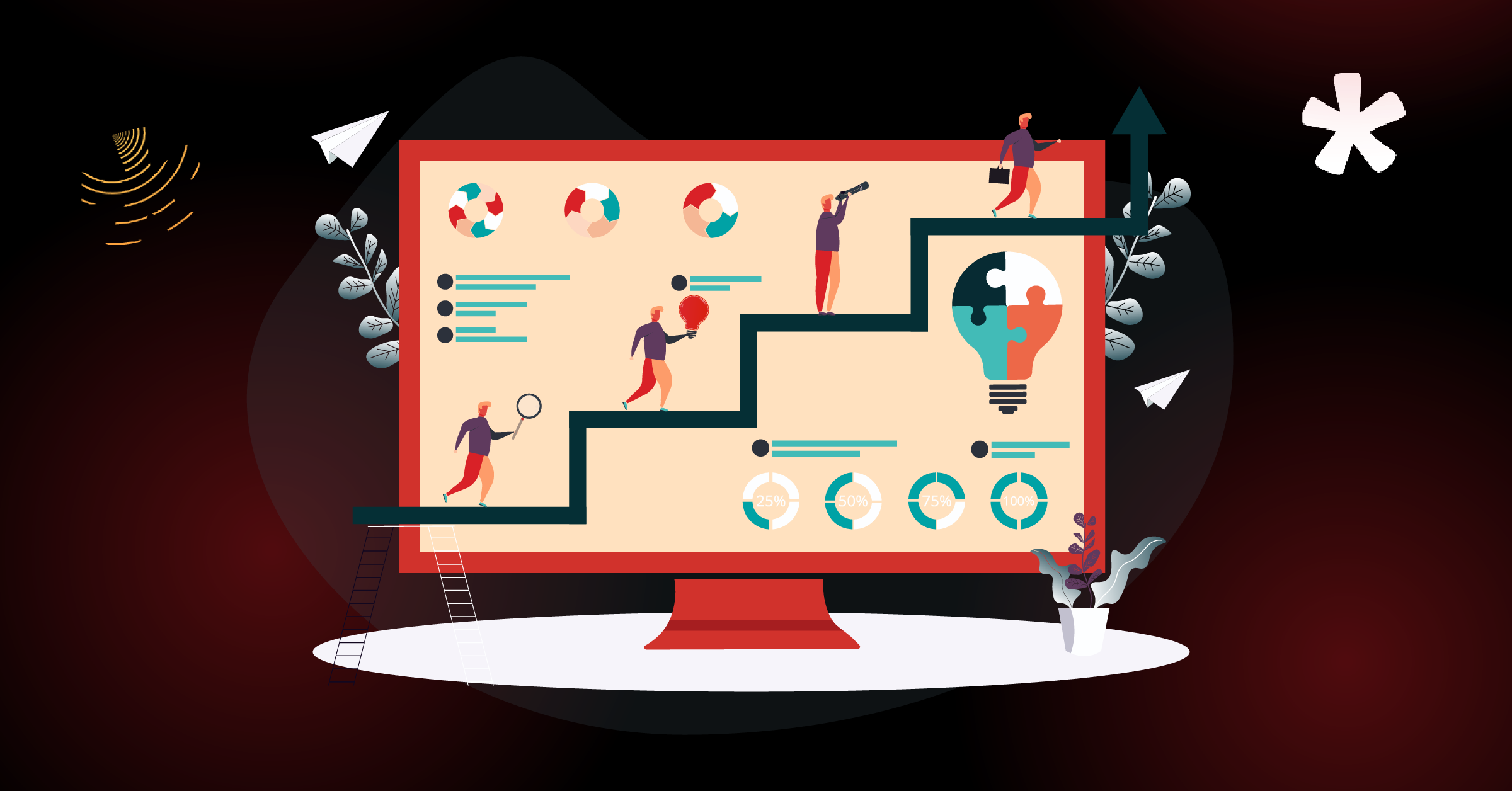
Today’s top-performing websites rely heavily on interactive features that not only capture user attention but also guide them through the digital experience. Common types of interactive elements include:
- Hover effects that reveal hidden text or animate images when the user moves the cursor.
- Scroll-triggered animations that animate elements as users scroll down a page.
- Quizzes and polls, which drive engagement by allowing users to participate actively.
- Smart forms that auto-fill, validate in real-time or change dynamically based on responses.
These techniques are essential in interactive web design, ensuring a site doesn’t just “look good” but also feels alive.
2. How they improve UX and engagement metrics
Interactive elements play a key role in improving user experience (UX) by making websites intuitive, dynamic, and enjoyable. According to HubSpot, interactive content generates 2x more conversions than passive content. These elements reduce bounce rate, improve dwell time, and increase page views—directly impacting search rankings and business outcomes.
A creative website designer understands that even micro-interactions (like a button color change on hover) can provide feedback that reassures users and boosts usability.
3. Tools to add interactivity
There are a range of tools and platforms that make adding interactive elements easy and code-free:
- Webflow – enables animations and hover effects without coding.
- LottieFiles – integrates lightweight vector animations.
- Typeform – for beautifully designed, logic-based quizzes and forms.
- GSAP (GreenSock Animation Platform) – for advanced JavaScript-based animations.
Adding interactivity to your website isn’t just about aesthetics—it’s about engagement and functionality. Investing in creative web design services that emphasize interaction ensures a user-focused, high-performing website.
10. SEO-Friendly Web Design: Balancing Creativity & Performance
1. Common issues when creativity hurts SEO
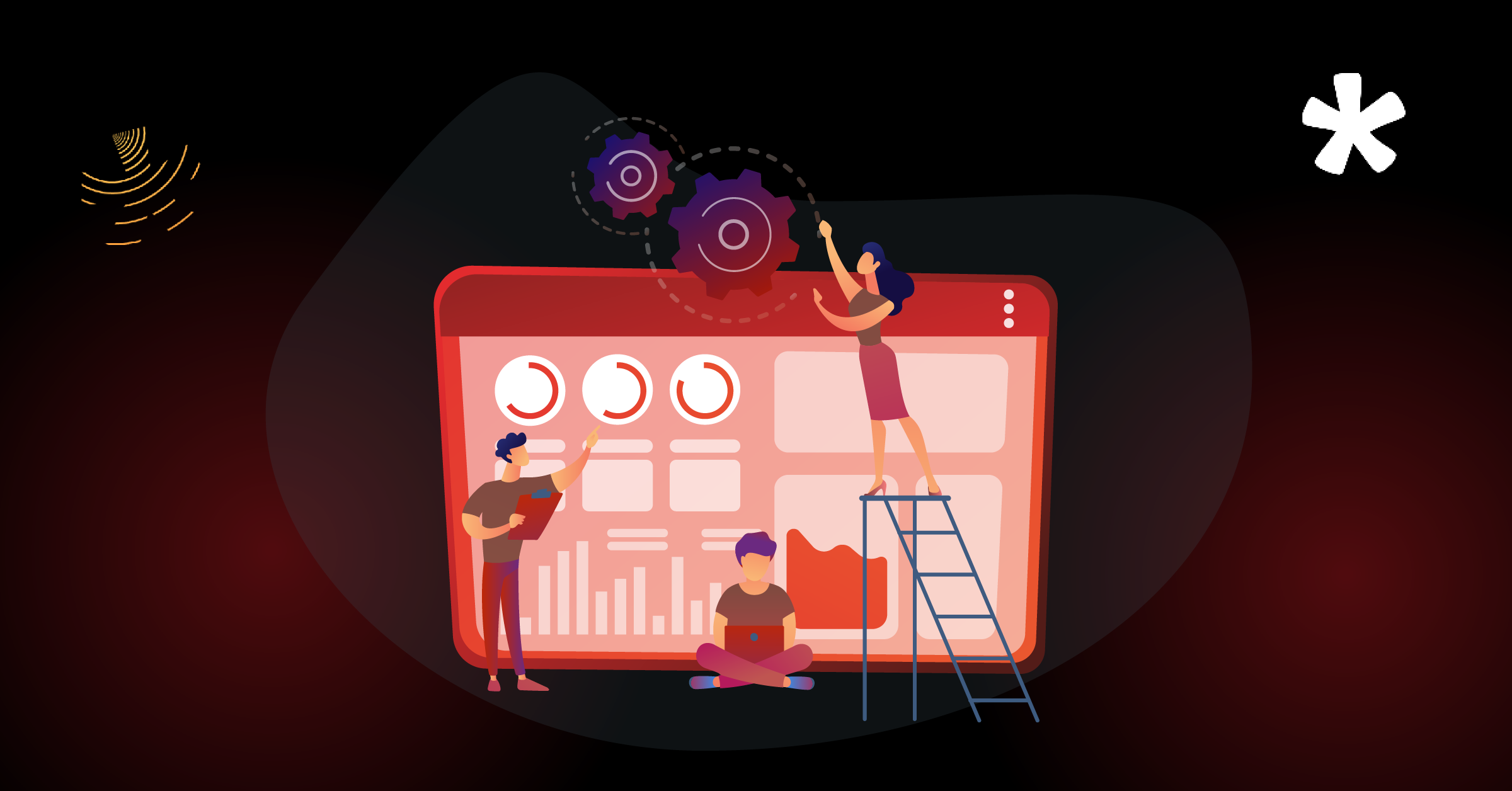
While creativity is essential in modern websites, it often comes at the cost of SEO performance. Overuse of large media files, excessive animations, and JavaScript-heavy designs can lead to slow load speeds, negatively impacting Core Web Vitals—a key ranking factor in Google’s algorithm. Moreover, websites that prioritize visual appeal without structured HTML risk poor crawlability and indexation issues.
Creative elements must be developed in collaboration with SEO experts, especially when working with a creative web development agency, to avoid common pitfalls that hurt search performance.
2. Key best practices
To make SEO-friendly web design a reality, creative websites must integrate technical SEO principles:
- Core Web Vitals: Focus on LCP (Largest Contentful Paint), FID (First Input Delay), and CLS (Cumulative Layout Shift). According to Google, pages meeting Core Web Vitals are more likely to perform better in search rankings.
- Structured Content: Use proper header hierarchy (H1, H2, etc.) and semantic tags to improve readability and accessibility.
- Visual Accessibility: Ensure color contrasts meet WCAG guidelines, images have descriptive alt text, and animations don’t hinder usability.
3. Balancing load speed, navigation, visuals
A creative web design agency must strike a balance between aesthetics and performance. Some tips include:
- Image optimization: Use formats like WebP and lazy-loading techniques.
- Efficient navigation: Keep menus intuitive and avoid nested dropdowns that hinder crawlability.
- Minimalist visuals: Use CSS animations over JavaScript where possible, and prioritize mobile-friendly design.
Tools like Google PageSpeed Insights, Lighthouse, and Ahrefs Site Audit help assess SEO and performance issues. Websites that combine visual storytelling with performance optimization tend to rank higher and convert better.
According to Backlinko, websites on the first page of Google have an average page load speed of 1.65 seconds, emphasizing how performance directly ties to visibility.
Source by – Backlinko
Want to boost your site’s visibility? This video reveals key strategies to build an SEO-friendly website that attracts more organic traffic.
Conclusion: Elevate Your Digital Presence with Creative Web Design
In today’s digital-first world, creative web design is no longer optional—it’s essential. A well-designed website doesn’t just look good; it communicates brand value, builds trust, enhances user experience, and drives conversions. By blending strong visual storytelling with intuitive layouts, performance optimization, and SEO best practices, businesses can create meaningful digital interactions that leave a lasting impact.
Whether you’re launching a new brand or updating an outdated site, now is the time to assess your digital footprint. Is your current website visually engaging? Does it align with your brand? Is it mobile-optimized and SEO-friendly?
If not, consider partnering with a creative design company or a trusted creative website development company that understands the balance between innovation and function. Their expertise can help you craft a visually stunning and technically sound site tailored to your business goals.
Ready to elevate your online presence? Let’s build something remarkable—because your website is more than a digital space; it’s your most powerful brand ambassador.