

TL;DR
Logo design in 2025 is all about emotional resonance, flexibility, and digital-first impact. From curved wordmarks and bold color revivals to custom typography, AI-powered tools, and adaptable logo systems, this year’s trends blend storytelling with modern aesthetics. With INKLUSIVE, brands can craft standout logos that connect deeply and scale seamlessly across every platform.
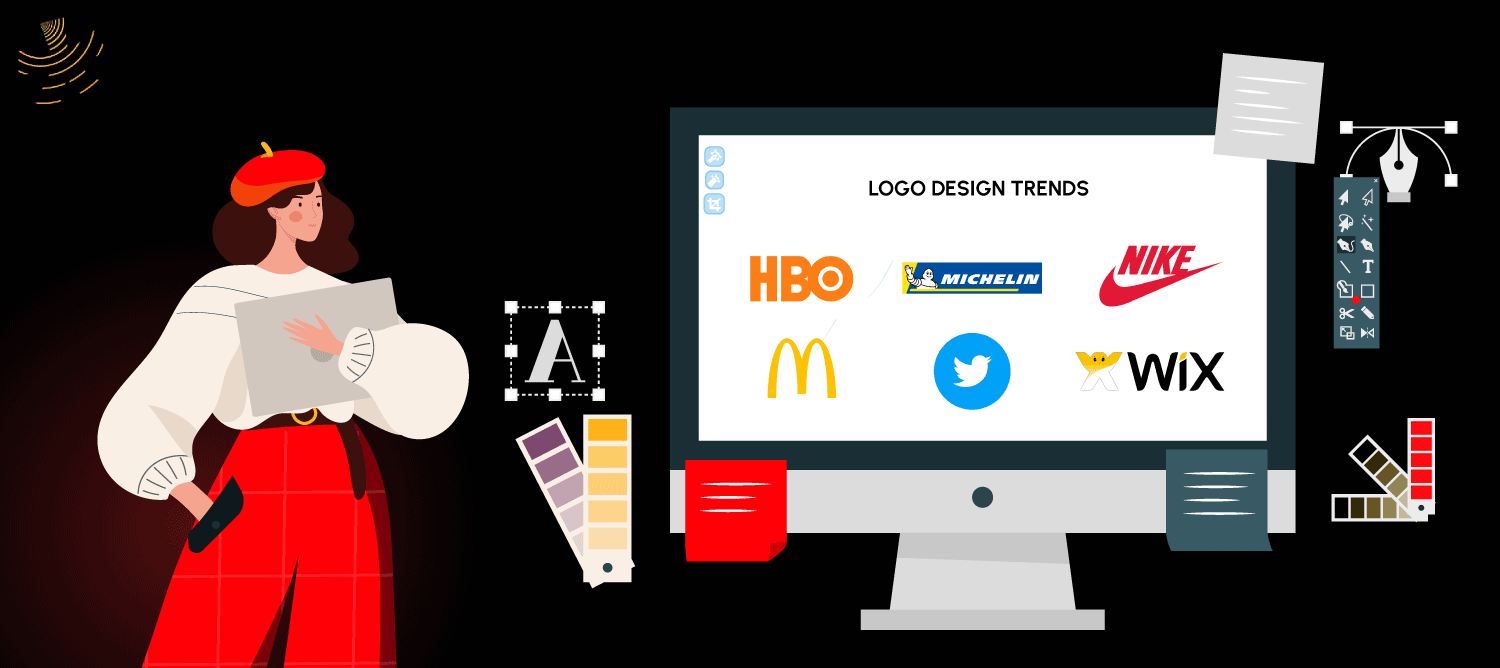
In the new era of branding, a 2025 logo is far more than a visual mark—it’s a dynamic expression of brand identity, storytelling, and emotional resonance. 75% of consumers recognize a brand just by its logo, making it a valuable investment for brands aiming to leave a lasting impression.
From animated logos on social media platforms to minimalist logos that shine on mobile apps, the latest logo design trends reflect an evolving world and the demands of a global community.
As logo designers and businesses ask “How do we create logos that make a lasting impression?”, it’s clear that this year’s logo trends are anchored in purposeful design, visual impact, and resonance with the target audience.
20 Logo Design Trends Dominating 2025
Explore the cutting-edge logo design trends shaping the visual identity of brands in 2025. From minimalist styles to bold color revivals, discover how these trends create impact, connect emotionally, and define the future of branding—driven in part by the work of iconic graphic designers shaping the industry.
1. Curved and Slanted Wordmarks: Anything but straight

Curved lines, slanted text, and arched wordmarks are key in 2025 logo stylings. These dynamic shapes break free from rigid grids to create movement and playfulness. A logo design with an arc suggests tradition or archival flavor, while slanted forms project innovation. They ensure visually striking logos that capture attention and leave a lasting impression, marking a strong impact across various platforms.
2. Royal Blue Power Palettes

Royal blue is emerging as a dominant hue in logo design trends, conveying trust, calm, and sophistication. This color performs exceptionally well as single color or accent in simple logos or minimalist compositions. When paired with clean lines and dimensional shapes, it resonates across digital and print. Many brands across industries—from finance to e‑commerce—are adopting royal blue to reinforce credibility and visual impact while keeping their brand identity cohesive.
3. Heritage Revival: Paying homage to the past

In a gesture of respect to brand narratives, logo designers are reviving vintage marks and incorporating natural patterns and organic shapes. Nostalgic typography and hand drawn elements convey authenticity and a sense of history—a powerful emotional connection for audiences that value depth and story. Whether it’s reimagining a company name in retro script or inserting classic motifs, this popular trend of heritage-inspired design aligns brand and consumer values.
4. Custom Calligraphy: Artistic typography rises

Gone are the days of relying on stock fonts—artistic typography is central to logo design in 2025. From expressive ligatures to creative serif‑sans pairings, these bespoke letterforms give logos unique personality. This approach turns each glyph into part of the brand story, aligning with the brand personality and creating visually striking logos with a fine‑art feel. These custom designs draw the eye and convey depth across all mediums.
5. AI‑Powered DIY Logos: Logos you can afford

The surge in AI‑based logo makers has democratized the create logos process. Small businesses now access high-quality identity solutions without the high cost—ushering in a new trending logo revolution. Tools enable users to choose elements, fonts, and palettes to quickly generate clean lines and cohesive designs. This trending logo design approach lowers barriers, helping businesses launch a great logo in hours, not months.
6. Condensed Sans Serif: Maximum punch in minimal space

Condensed sans serif fonts are surging for their compact yet bold presence. Ideal for impactful branding in digital use—especially on smartphones—these designs offer sharp focus with minimal noise. Uniform squares of typography with chopped corners call attention, and work beautifully across signage, websites, and apps. They also pair well with other logo design trends, like negative space or geometric iconography.
7. Lowercase Logos: Subtle, friendly, human

There’s something intrinsically approachable about an all‑lowercase logo. Whether simple one-word designs or paired with organic icons, lowercase conveys ease, humility, and relatability. This subtle signal builds trust with today’s savvy new generation of consumers who want genuine connection. Look for company name wordmarks in lowercase across visual branding, especially for direct-to-consumer and wellness brands.
8. Spurless Geometric Sans Serifs: Clean and futuristic

Spurless geometric sans serifs—fonts without extra protrusions—are sleek, geometric, yet approachable. Brands using this minimalist logo approach emphasize shape, balance, and universal legibility. Think of them as the typographic equivalent of uniform squares in architecture—pure, efficient, ready for global rollout. Combined with negative space and clean lines, they make a modern statement worth noting.
9. Red Revival: Passion returns

All shades of red—from scarlet to burgundy—are back in full force. Intense reds create bold visual contrast and tap into feelings of excitement and energy. This resurgence is about more than color; it’s a strategic way for logo designers to infuse personality and humor, drawing in viewers and fueling emotional brand recall. Red logos, especially when paired with single color or neutral backgrounds, become unforgettable visual anchors.
10. Subtle Dimension: Depth with restraint

While 3D effects are on the rise, designers are applying them sparingly. We’re talking tone-on-tone shadows, overlapping layers, transparent elements, and dimensional shapes that add energy without clutter. This mid-ground between flat and full 3D is perfect for screen‑first environments and digital design, offering a refined depth that enhances readability and memorability.
11. Logo Systems: flexible identity ecosystems

Modern brands are ditching static logos in favor of logo systems—adaptable mark, icon, monogram, and wordmark combinations for different touchpoints. From app icons and social media avatars to packaging and billboard ads, these systems ensure recognizability across various platforms while maintaining visual cohesion. A strong logo system ensures your brand identity feels familiar, no matter where audiences encounter it.
12. Handmade Charm: Imperfect, hand‑drawn elements

In contrast to sleek geometry, hand drawn elements are re-emerging. These imperfections bring personal touch, warmth, and personality—perfect for boutique brands, artisanal products, and wellness companies. Imperfect lines, natural patterns, and organic forms soften your logo, turning it into a crafted expression. It’s a logo design trend that places humanity at the center.
13. Earthy Eco‑Aesthetics: Natural tones & shapes

Rustic browns, leafy greens, and stone neutrals shape an eco-conscious brand identity. Paired with organic shapes and subtle textures, these design choices signal sustainability, growth, and environmental responsibility. For audiences who care about ethics, a logo rooted in nature offers immediate visual and emotional trust.
14. Retro‑Futurism: Nostalgia with a futuristic twist

The retro‑futuristic trend marries vintage typography with ultra‑modern finishes—think neon pastels, chrome-like borders, or Y2K gradient flairs. It’s the visual equivalent of vinyl records meeting digital streaming—simple, visually striking logos that evoke fun nostalgia while staying future‑ready. Ideal for gaming, entertainment, and cultural brands.
15. Abstract Geometric Icons

Shape-based abstraction is key for brands seeking symbols that are both simple and symbolic. Abstract circles, lines, blocks, and dots can evoke ideas without spelling them out. When integrated into a new logo, these dimensional shapes become universal language: immediate recognition without language barriers—ideal for global growth.
16. Monochrome Mastery

Single color logos—whether black, white, or earth tone—offer maximum clarity, adaptability, and elegance. These minimalist logos streamline production across print, digital, and apparel. When typography or geometry is strong enough, color becomes optional. Monochrome logos hold up in newspapers, social icons, and physical signage, making them timeless staples.
17. Holographic Gradients: Luxe meets digital

Unlike flat gradients of years past, futuristic holographic treatments shimmer with depth and light play. These trendy trends logo approaches fit luxury retail, beauty, and digital platforms—it’s a statement of polish, innovation, and visual spectacle. When thoughtfully restrained, they feel futuristic without flashiness.
18. Social‑First Adaptation

With logos viewed as app icons, video watermarks, and story overlays, adaptive design is a must. Designers are crafting versions that optimize readability at just 32×32 pixels. Whether rounded corners, simplified glyphs, or color variations, create logos for each context. The visual impact stays strong—even when scaled small.
19. Mixed Typography: Layered font play

Mixing two or more fonts within a single logo—say, serif and sans or bold and light—reveals complexity and interest. Designers use contrast in type to highlight syllables, evoke dualities (e.g., fun vs. formal), or create rhythmic flow. It’s a trendy logo design device for brands that want depth and nuance.
20. Remixed Initials: Letters become shapes

Finally, we see a surge in logos built from remixed initials—taking a brand’s acronym or letter pair and morphing them into abstract iconography. Rotate, overlap, and crop those letters into a simplified symbol that hints at your company name but remains enigmatic. These reimagined monograms fit square tiles and scale beautifully for digital use.
Watch this YouTube video to learn the 4 essential logo design rules for 2025—simplicity, versatility, memorability, and scalability. Discover shape psychology, color, typography, and expert tips, plus how top brands create powerful, future-proof logos for all platforms.
Need Hep Designing a Logo?
If you’d like to explore how these design trends can elevate your brand, connect with a skilled logo designer or launch your own AI-assisted design journey. Embrace the inspiration, blend it with your unique voice, and make a lasting mark in this new era of branding.
Meet INKLUSIVE—your creative powerhouse for designing visually striking logos that capture your brand identity and tell your story. Whether you’re building a modern minimalist logo, experimenting with artistic typography, or creating a bold, illustrated mark that stands out on all digital platforms, INKLUSIVE has you covered.
Our expert designers specialize in crafting clean, on-trend logos using techniques like negative space, dimensional shapes, and hand-drawn elements. From concept to final design, we ensure every logo we create leaves a lasting impression across websites, mobile apps, and social media platforms. Let INKLUSIVE bring your logo vision to life with precision and flair.
Explore Our ServicesFinal Thoughts
The past few years have seen brand identity evolve from static visuals to flexible, expressive systems that must resonate across a new generation of digital-first consumers. A 2025 logo isn’t just a visual emblem—it’s a multi-dimensional experience. Whether you choose heritage revival, minimalist geometry, expressive artistic typography, or futuristic gradients, your decisions should always reflect a clear sense of brand mission, emotional tone, and practical application.
The beauty of these logo design trends lies not in their novelty, but in how thoughtfully they’re implemented. A logo is a handshake between brand and consumer—an invitation to connect on values, purpose, and aesthetics. When your logo captures that essence, it becomes more than art—it becomes identity.
With creative support from design powerhouses like INKLUSIVE, brands can confidently bring their logo ideas to life—combining illustration, typography, and digital design expertise to create logos that leave a lasting impression.
Contact usFrequently Asked Questions (FAQs)
1. How do I choose which 2025 logo trend is right for my brand?
Start with your brand personality, target audience, and mission. Are you aiming for an emotional connection with Gen Z? Or projecting confidence and stability to mature clients? Narrow your choices to 1–2 trends that echo those values. Then test variations at small sizes and in monochrome across platforms.
2. Can I combine multiple logo trends effectively?
Yes, if done thoughtfully. For instance, it’s common to pair condensed sans serif typography with hand drawn elements, or a monochrome wordmark with a subtle holographic gradient accent. The key is cohesion: don’t sacrifice brand unity for novelty.
3. Do holographic gradients translate in print?
Generally, no—in typical CMYK print, those effects won’t fully render. Use flat gradient or gloss spot versions when printing. For digital-only brands, however, gradients look phenomenal on screen. Always test across various media types.
4. How many logo versions should I create?
A minimum of three is recommended: a primary logo, a simplified icon/monogram for small-size use, and a monochrome alternative. If you want to optimize for social media platforms, also include animated logos or responsive icons.
5. What’s the difference between a good logo and a great logo?
A good logo meets functional needs: legible, scalable, consistent. A great logo does more—it embodies brand story, sparks emotion, and leaves an unforgettable visual impact. It feels like an organic extension of your brand identity.